Water Damage Restoration Nevada assists with water damage restoration for North Las Vegas homes, apartments, condominiums, retail units, offices, warehouses, hospitality properties, and managed buildings. We inspect accessible areas affected by water, identify drying and cleanup needs, review damaged materials, and outline restoration work that may be needed after pipe breaks, plumbing leaks, appliance failures, roof leaks, sewage events, overflow conditions, flood damage, and other property water losses.
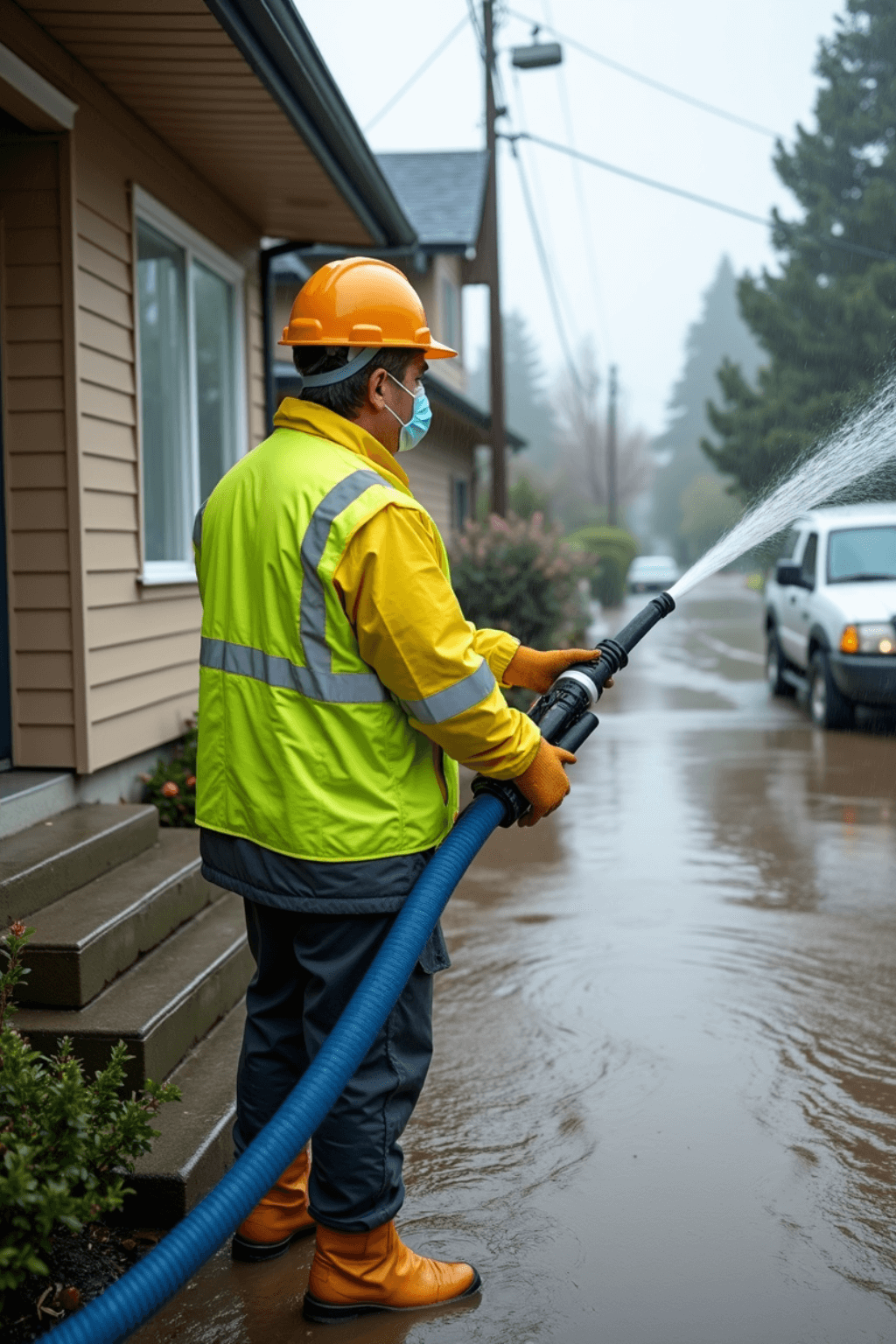
When water enters a property, it can move under floor coverings, behind lower wall sections, into cabinetry, and through ceiling assemblies before the visible water has been addressed. Early action should focus on safety, stopping the source when it can be done safely, and preventing affected materials from remaining wet longer than necessary.
North Las Vegas water losses can range from a localized toilet overflow in a residence to a plumbing break affecting several units, suites, or work areas. The cleanup scope depends on the water source, the route the water followed, the building materials involved, and whether contamination is a concern.
Avoid entering flooded areas near electrical equipment, outlets, or exposed wiring. Stay clear of weakened ceilings, and do not handle sewage-affected water or materials. If it is safe to do so, move unaffected belongings away from the damaged area and document the visible conditions.
Need water damage help in North Las Vegas?
Discuss water extraction, flood cleanup, moisture assessment, drying, and repair planning for your home or commercial property.
Water restoration work starts with the actual conditions at the property rather than a one-size-fits-all cleanup method. The proposed scope may involve extracting standing water, evaluating wet materials, establishing drying areas, cleaning affected surfaces, removing materials that cannot be retained, and preparing the space for repairs.
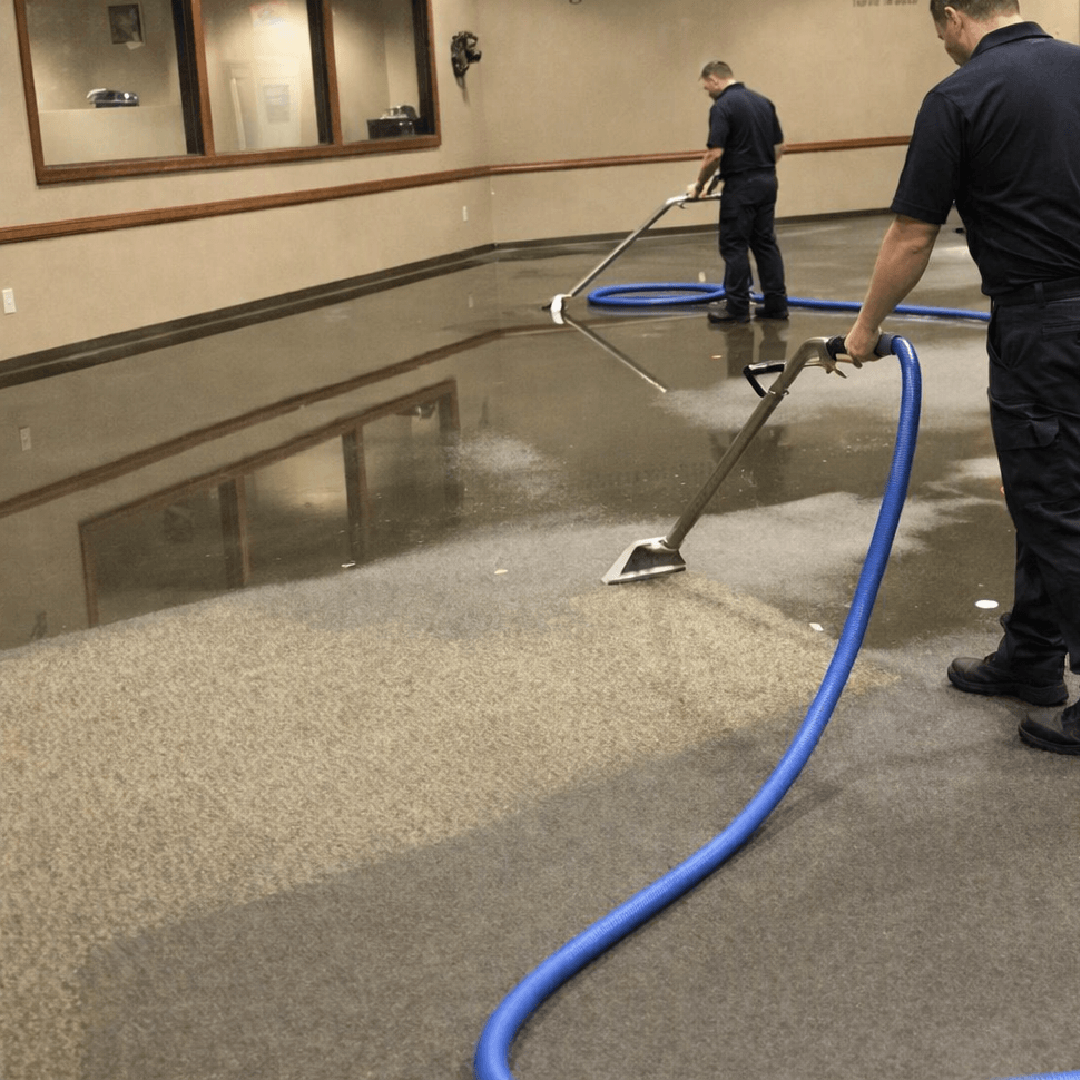
Extraction addresses water collected on floors and other accessible surfaces. Carpeted rooms, hard-surface flooring, kitchens, bathrooms, storage areas, tenant spaces, offices, and warehouse work areas may each require a different approach depending on the materials and amount of water present.
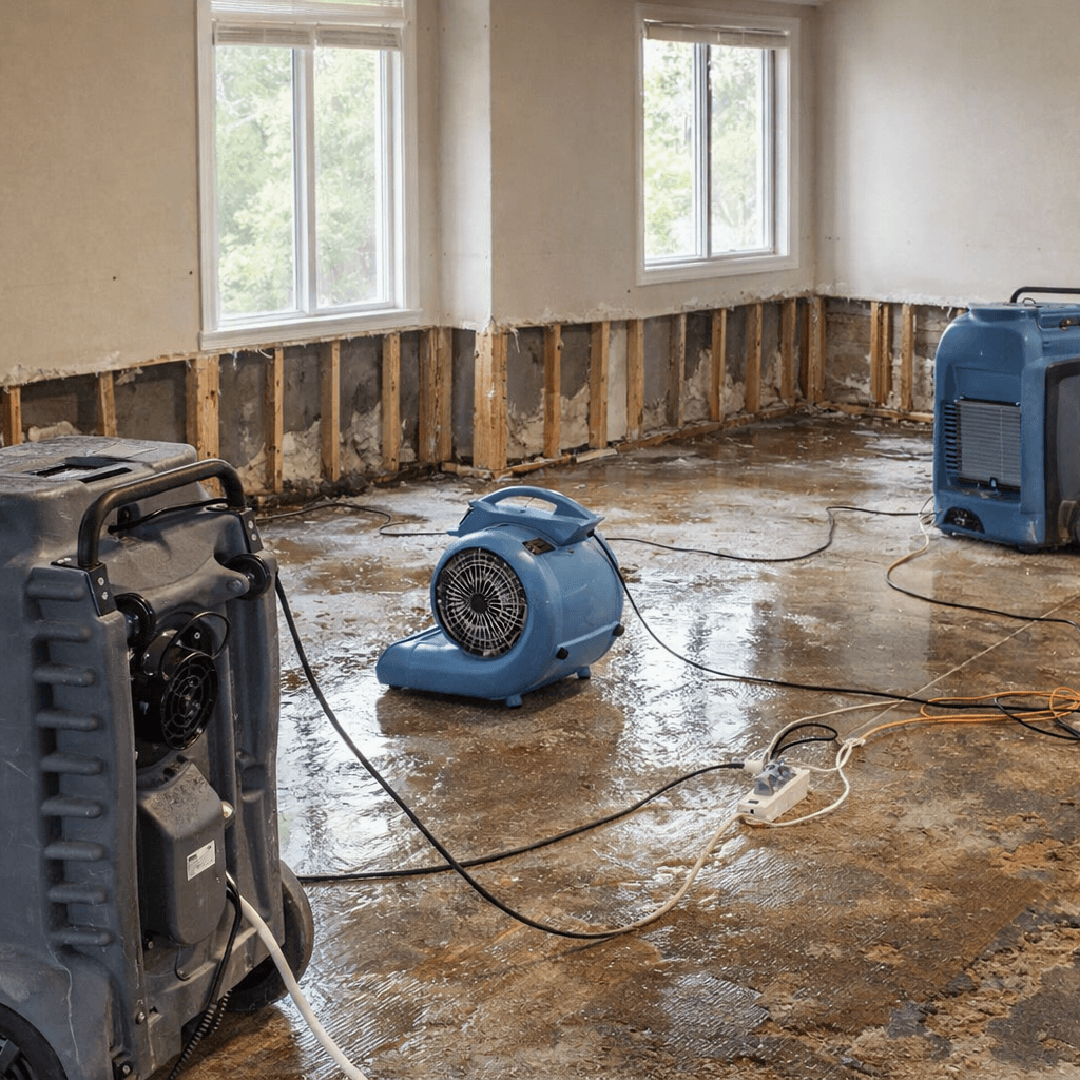
Flood restoration may be needed when water affects more than one room or moves through lower portions of the building. Water entering from exterior drainage, plumbing failures, roof openings, or internal overflows can affect flooring, wall materials, insulation, stored contents, and subflooring. The water source and material conditions determine the necessary cleanup and drying steps.
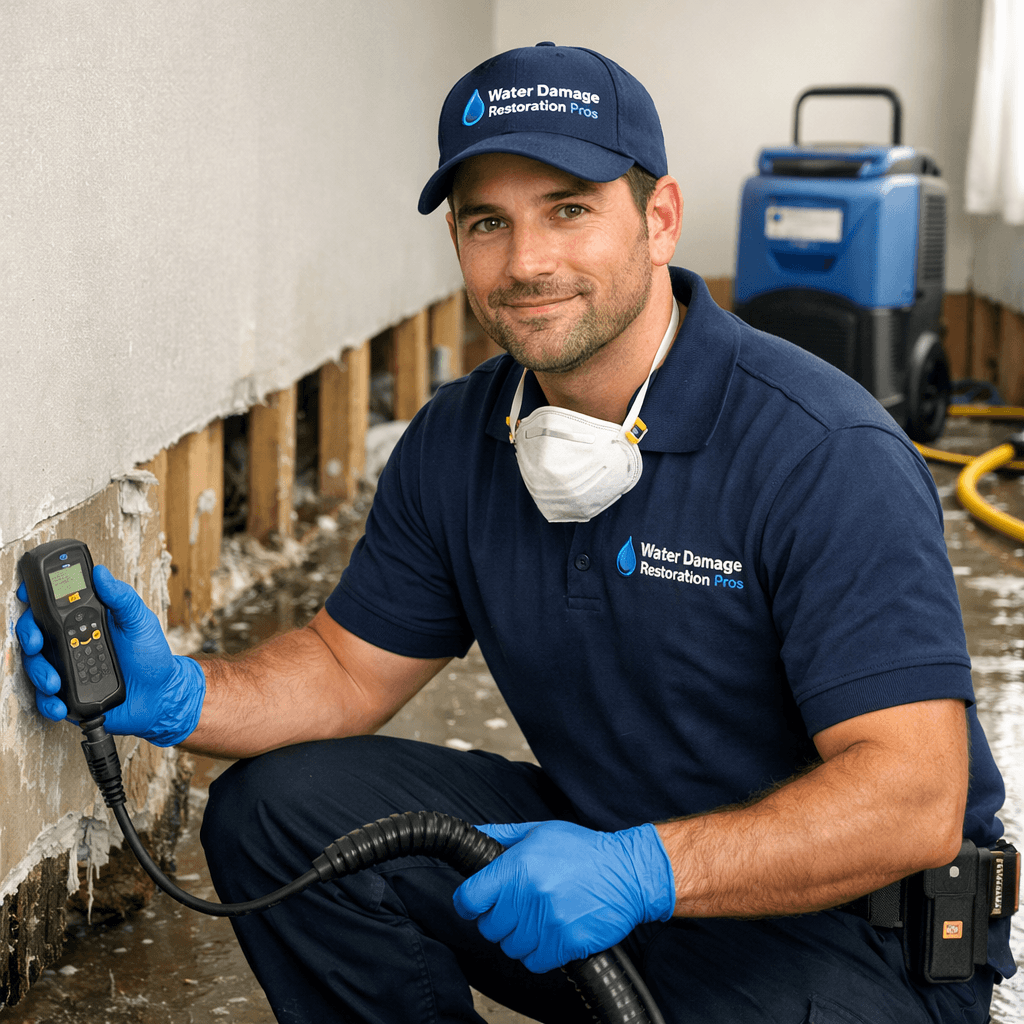
Visible water removal does not confirm that a structure is dry. Moisture may remain beneath floors, inside walls, behind baseboards, in ceiling cavities, and within cabinet components. Accessible materials are evaluated to identify where air movement, dehumidification, monitoring, further access, or material removal should be considered.
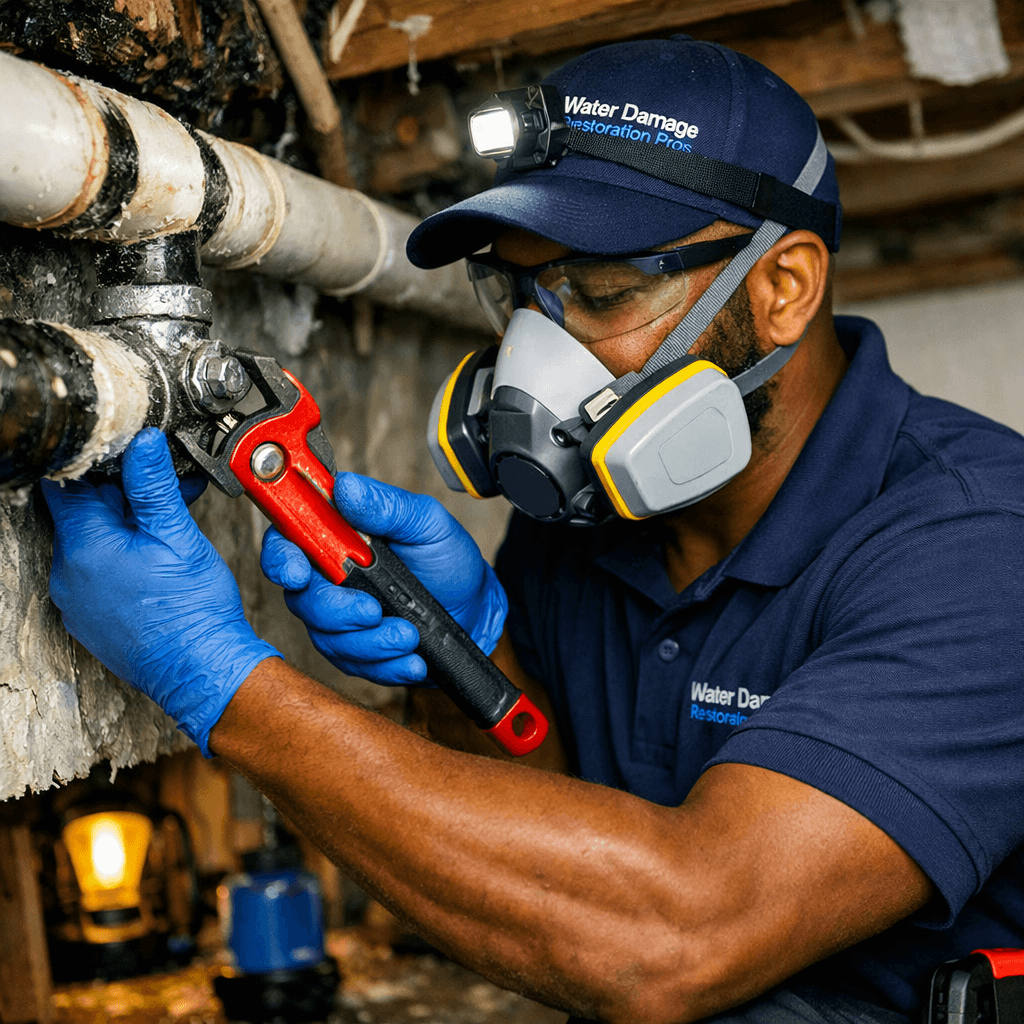
Repair planning follows cleanup and drying decisions. The work may include restoring drywall and ceiling sections, replacing floor materials, repairing trim, rebuilding portions of cabinetry, repainting, or reconstructing areas opened for drying or material removal. Separate trades may be needed for source repairs involving plumbing, roofing, electrical components, or other building systems.
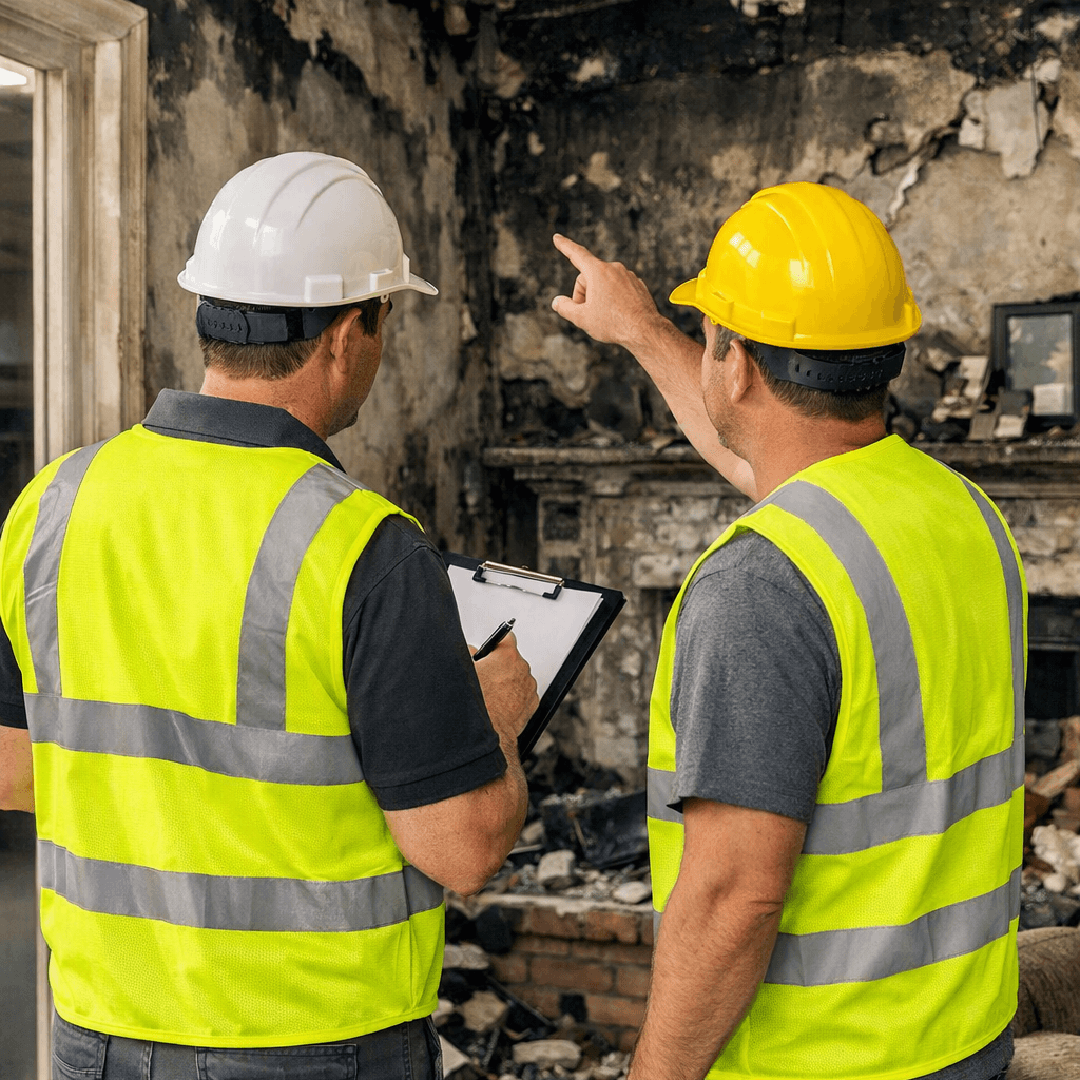
Materials respond differently to water exposure. Nonporous surfaces may be cleaned and dried, while saturated, contaminated, or deteriorated materials may need removal. When the condition of a concealed area is uncertain, further access or evaluation may be needed before a restoration decision is made.
Water damage can arise from equipment failure, plumbing problems, exterior water entry, or an unnoticed leak. The point where water started does not always match the entire affected area, particularly in buildings with adjoining units, shared plumbing, multiple floors, or finished wall and ceiling spaces.
Failed supply lines, leaking valves, broken pipes, and water-heater problems can release water into kitchens, utility rooms, bathrooms, mechanical spaces, and surrounding rooms. In a multi-family or commercial building, water can also pass beneath partitions or through ceilings into lower spaces.
Dishwashers, refrigerators, washing machines, toilets, tubs, sinks, and drain systems can cause damage when a hose disconnects, a drain backs up, or an appliance leaks over time. Water may be absorbed by flooring and cabinetry before it becomes apparent in the room where the issue began.
Flood damage may follow storm runoff, roof leaks, failed exterior seals, blocked drainage, or other pathways that allow water into a building. The visible water should be addressed, but adjacent wall sections, flooring, lower storage areas, and materials beneath finished surfaces may also require assessment.
North Las Vegas includes residential developments, rental housing, retail properties, offices, hospitality buildings, industrial spaces, and warehouses. Restoration planning for these properties may involve coordinating with occupants, managers, owners, maintenance teams, and other parties when access, shared areas, or neighboring units are involved.
Water from a sewage backup or other contaminated source requires added precautions. Cleanup planning may include removing affected porous materials, cleaning accessible surfaces, sanitation, drying, disposal, and determining what repairs are needed after the area is addressed.
Request water damage help
Provide the property address, the apparent cause of the loss, the rooms involved, and whether water is still entering the building.
The restoration process is planned around the reported water source and findings at the property. A small kitchen leak and water spreading through a multi-unit building do not require the same scope, so inspection findings guide cleanup, drying, removal, and repair decisions.
STEP 1
At the first contact, describe the building type, where the water appeared, the suspected source, and whether the source is still active. Mention electrical concerns, potential contamination, restricted access, roof openings, ceiling damage, shared units, or management requirements that may affect the work.
STEP 2
The accessible portions of the property are reviewed for standing water, staining, wet materials, and evidence that water has traveled beyond the original location. Moisture findings help identify the areas that may require extraction, drying, cleaning, removal, or more detailed evaluation.
STEP 3
Water is removed from accessible surfaces as appropriate for the material and conditions. Drying equipment may then be positioned to address remaining moisture. Placement is based on the affected rooms, material types, airflow conditions, moisture findings, and access to the work area.
STEP 4
After evaluating the affected materials, the plan may include cleaning, sanitizing where appropriate, removing damaged components, handling debris, and preparing affected spaces for restoration. Any moisture-related mold concern should be evaluated in relation to material condition and the documented water exposure.
STEP 5
Follow-up observations and moisture checks help evaluate drying progress. When the agreed drying and cleanup work is complete, the remaining construction, surface restoration, or source-repair needs can be identified for the property owner or manager.
Extraction removes accessible standing water; structural drying addresses residual moisture held in the building. Both are necessary because a floor can look dry while moisture remains below the surface or in nearby wall and ceiling components.
Moisture readings and visual observations help identify accessible materials that may still hold water after extraction. The review considers the reported source, how water likely traveled, material construction, and signs of moisture beyond the visibly affected room.
Air movement and dehumidification equipment may support a drying plan where appropriate. The number, type, and placement of units depend on the room configuration, affected materials, air circulation, humidity conditions, and access.
Regular checks help show whether accessible materials are moving toward drying goals or whether additional drying, investigation, removal, or repair planning may be necessary.
Repairs are planned after cleanup and drying work establish the condition of affected materials. The appropriate repair scope depends on whether materials can remain in place, need repair, or need replacement because of damage, contamination, or limited ability to dry.
Wallboard, insulation, ceiling materials, texture, and framing-adjacent surfaces may be affected by water movement. Their condition is reviewed to determine whether cleaning and drying are suitable or whether sections require removal before rebuilding.
Water can affect carpet and padding, laminate, hardwood, vinyl, tile systems, adhesives, and subfloor components. Recommendations vary according to material behavior, moisture findings, water category, exposure time, and whether the assembly can dry effectively.
Baseboards, lower cabinets, shelving, built-ins, furniture, stored inventory, and other contents can be damaged by water at floor level. The work scope should identify the accessible materials being evaluated and whether cleaning, drying, repair, removal, or replacement is proposed.
Water Damage Restoration Nevada accepts inquiries for water-related property damage at homes, apartments, condominiums, retail sites, office buildings, warehouses, hospitality properties, and managed facilities in North Las Vegas. Contact us about water leaks, broken pipes, flooding, appliance damage, water-heater failures, drain overflows, roof leaks, sewage events, and water intrusion.
Property owners, residents, commercial contacts, and managers can provide the address, source of water if known, affected rooms, and safety or access information. That information helps determine the next step for the reported loss.
For water damage restoration information in nearby Nevada communities, visit our pages for Las Vegas, Sunrise Manor, Winchester, Paradise, Enterprise, and Spring Valley.
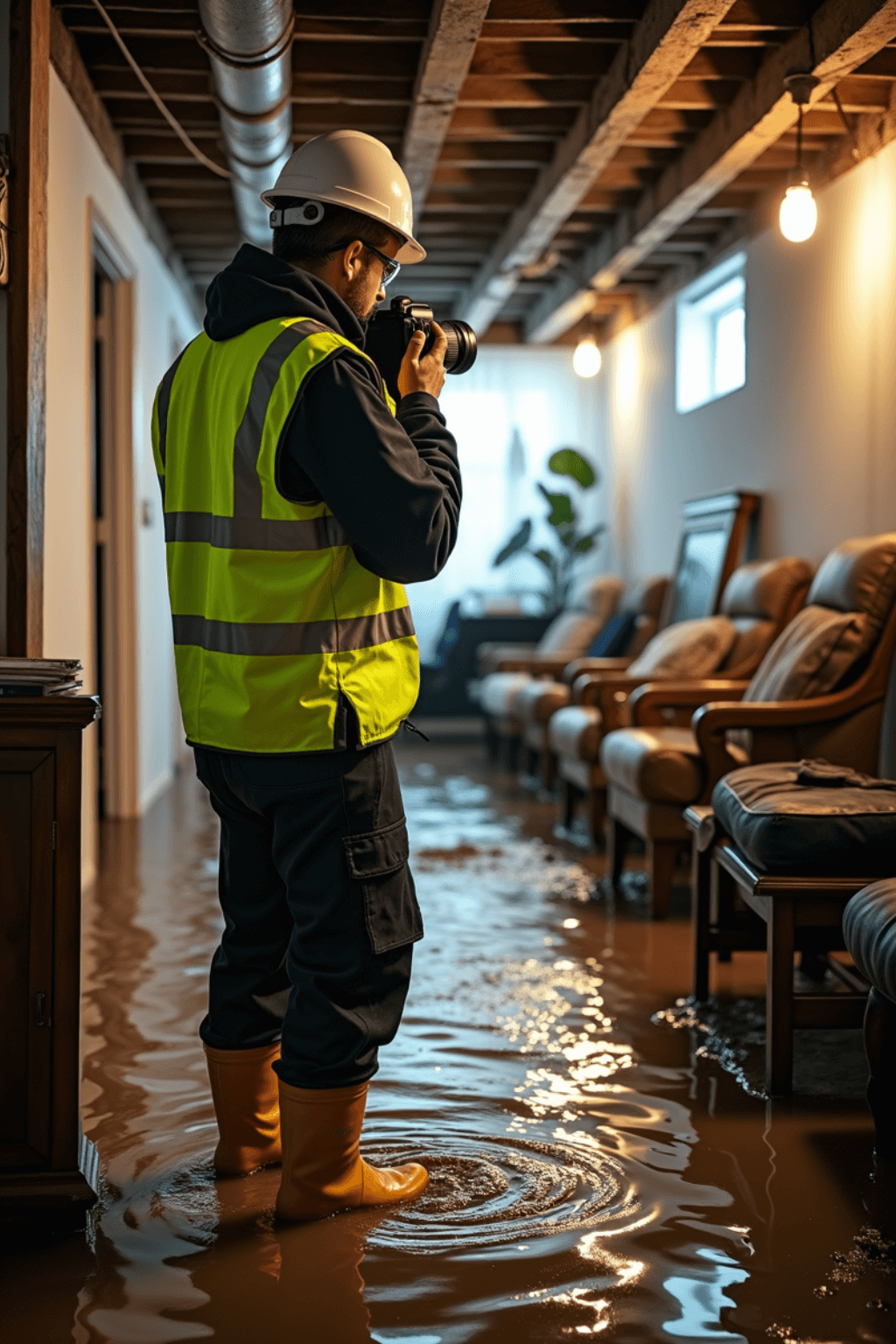
Need Help With Water Damage in North Las Vegas?
Tell us where the water is coming from and which areas are affected.
Find answers to common questions about water cleanup, flood restoration, drying, repair decisions, and water damage services in North Las Vegas.
Water damage should be assessed as soon as it is safe and practical. Tell us whether water is still entering, which areas are affected, and whether electrical or contamination concerns are present. We can discuss current availability and appropriate assessment arrangements.
The scope can vary based on the water source, affected area, material types, moisture conditions, access, cleaning needs, drying requirements, removal work, debris handling, and repair needs. Source repairs, testing, contents work, and specialist services may be separate from the restoration scope.
Flood restoration may involve removing water, inspecting affected materials, establishing drying areas, cleaning accessible surfaces, removing materials that cannot be retained, and planning the repairs needed after the area is dry. The work depends on the water source and the materials involved.
Whether a material can remain depends on the type of material, moisture level, water category, duration of exposure, visible deterioration, contamination concerns, and ability to access and dry the material effectively. Conditions should be evaluated before retaining or removing affected components.
Water damage restoration may be planned for apartments, condominiums, retail spaces, offices, hospitality properties, warehouses, and managed facilities. The work may require coordination around occupant access, business operations, building rules, shared spaces, or neighboring units.
Drying time depends on the materials affected, water amount, moisture levels, temperature, humidity, airflow, access, and how water traveled through the property. Follow-up checks help determine when drying work is progressing or whether further steps should be considered.
Stay out of unsafe areas, especially those involving electrical hazards, contaminated water, or unstable ceilings. If safe, stop the water source and protect unaffected belongings. Document visible conditions, note the likely source, and provide information about building access, occupants, or management requirements.