Water Damage Restoration Nevada provides water damage restoration for homes, condos, apartments, offices, retail spaces, and managed properties in Henderson, Nevada. We assess accessible affected areas, discuss water removal and structural drying needs, review damaged materials, and explain cleanup, repairs, and restoration work after plumbing leaks, appliance overflows, water-heater failures, toilet backups, roof leaks, stormwater intrusion, sewage backups, and other water-related property damage.
24-hour service is available for water damage situations in Henderson. Call to discuss the property location, the known water source, affected rooms, and current availability.
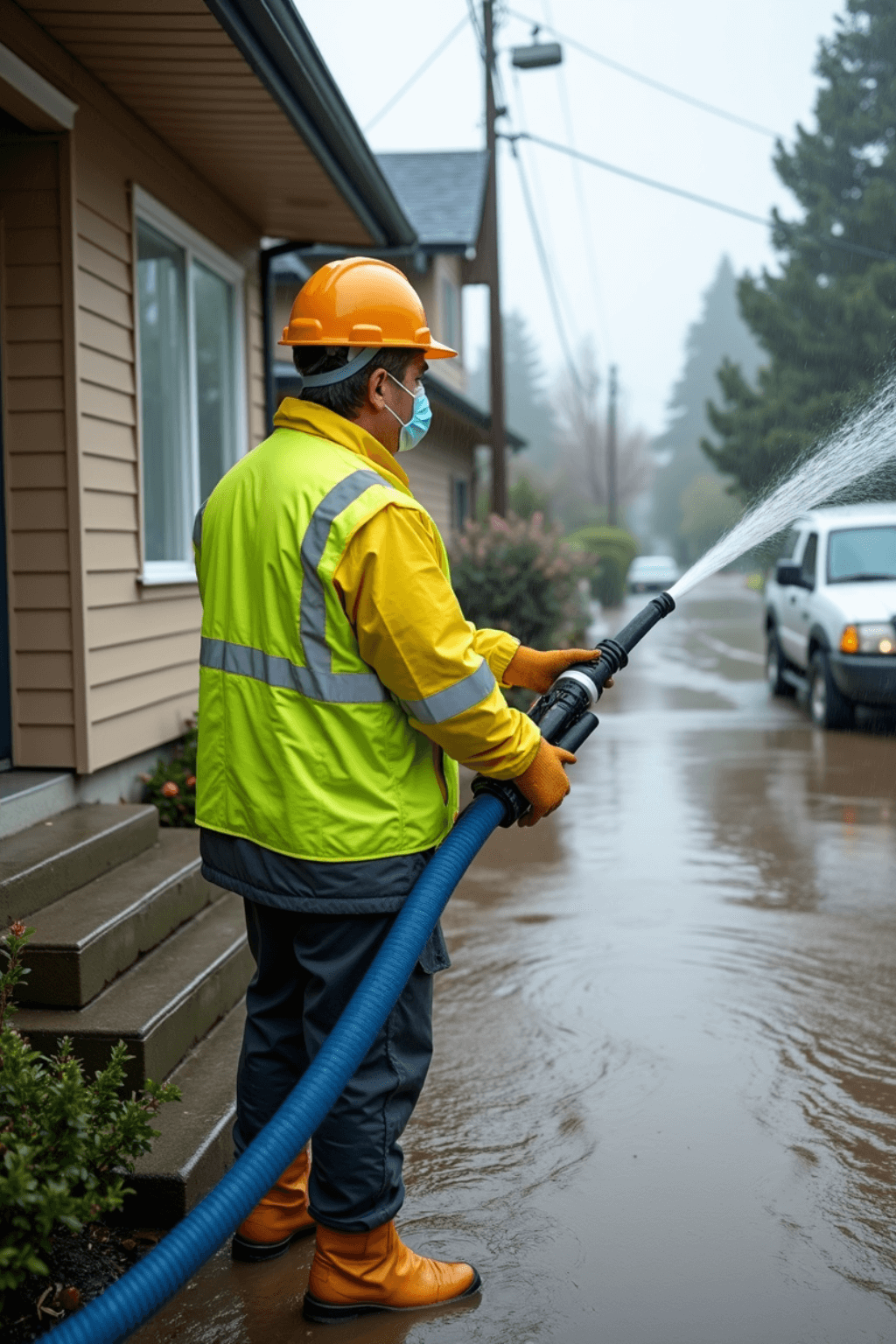
Water damage cleanup begins with identifying the reported source and establishing whether water is still entering the property. Plumbing failures, damaged appliance connections, overflowing fixtures, water-heater leaks, roof leaks, stormwater intrusion, sewage backups, and water entering from another unit can create different restoration requirements.
We consider the source, affected materials, visible water, accessible spaces, possible contamination, exposure duration, and property access when discussing the work. A contained leak may require a different scope from water that has spread across several rooms, floors, ceilings, or levels of a building.
Keep people and pets away from standing water near wiring, outlets, appliances, or other electrical equipment. If sewage or potentially contaminated water is involved, prevent people and pets from entering the affected area. Stop the water source only if it is safe to do so.
Dealing with water damage at your Henderson property?
Discuss the next step for water removal, drying, cleanup, and repairs.
Our water damage restoration work addresses visible damage and moisture remaining in accessible building materials. The proposed scope may include extraction, structural drying, surface cleaning, material removal, debris handling, and repairs. Each stage follows the property assessment rather than assuming every water event requires the same equipment or treatment.
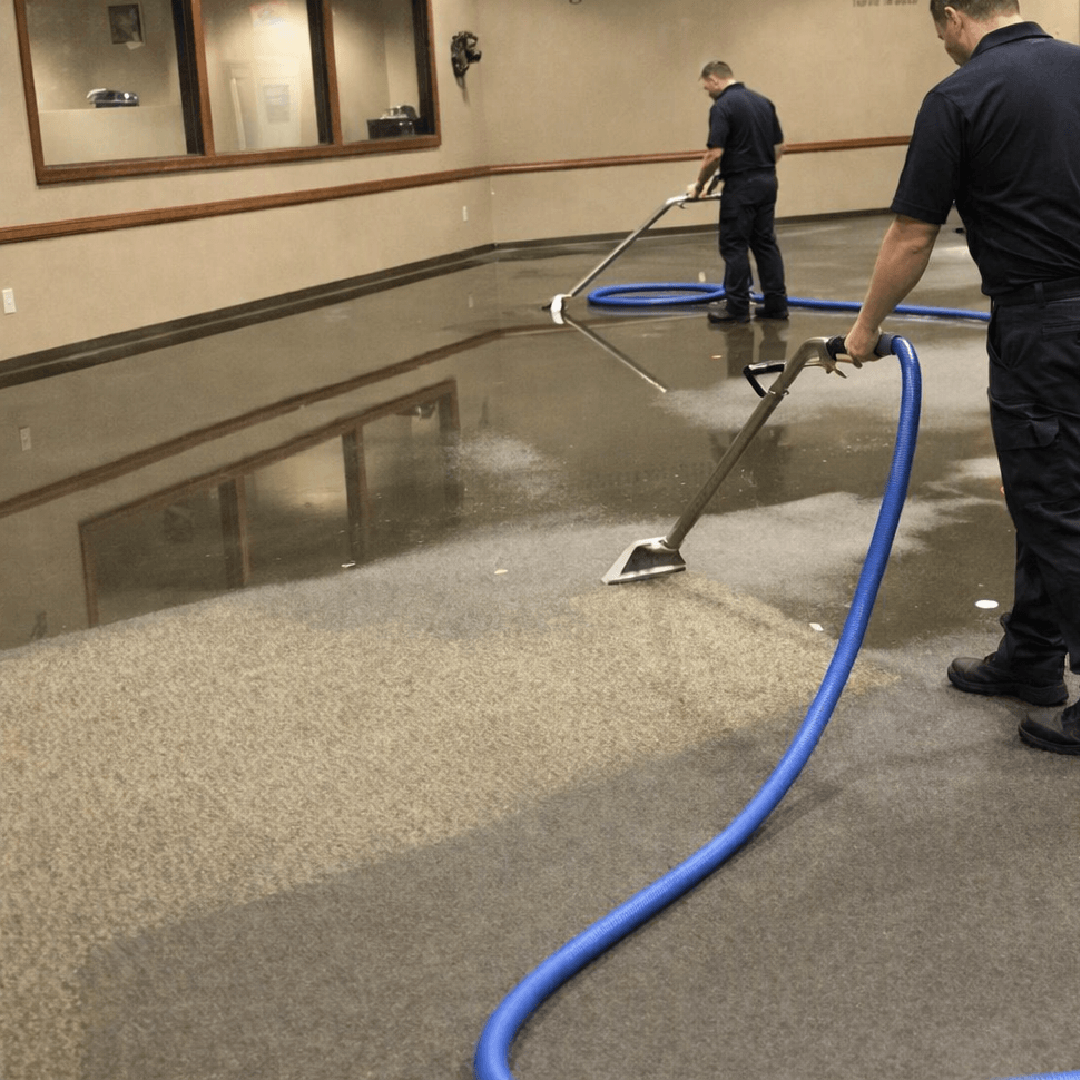
We remove accessible standing water from living spaces, basements, utility rooms, offices, retail spaces, and other affected areas. Pumps and extractors may be used to address excess water on floors and within affected carpeted areas. Further moisture assessment helps define the drying work needed after extraction.
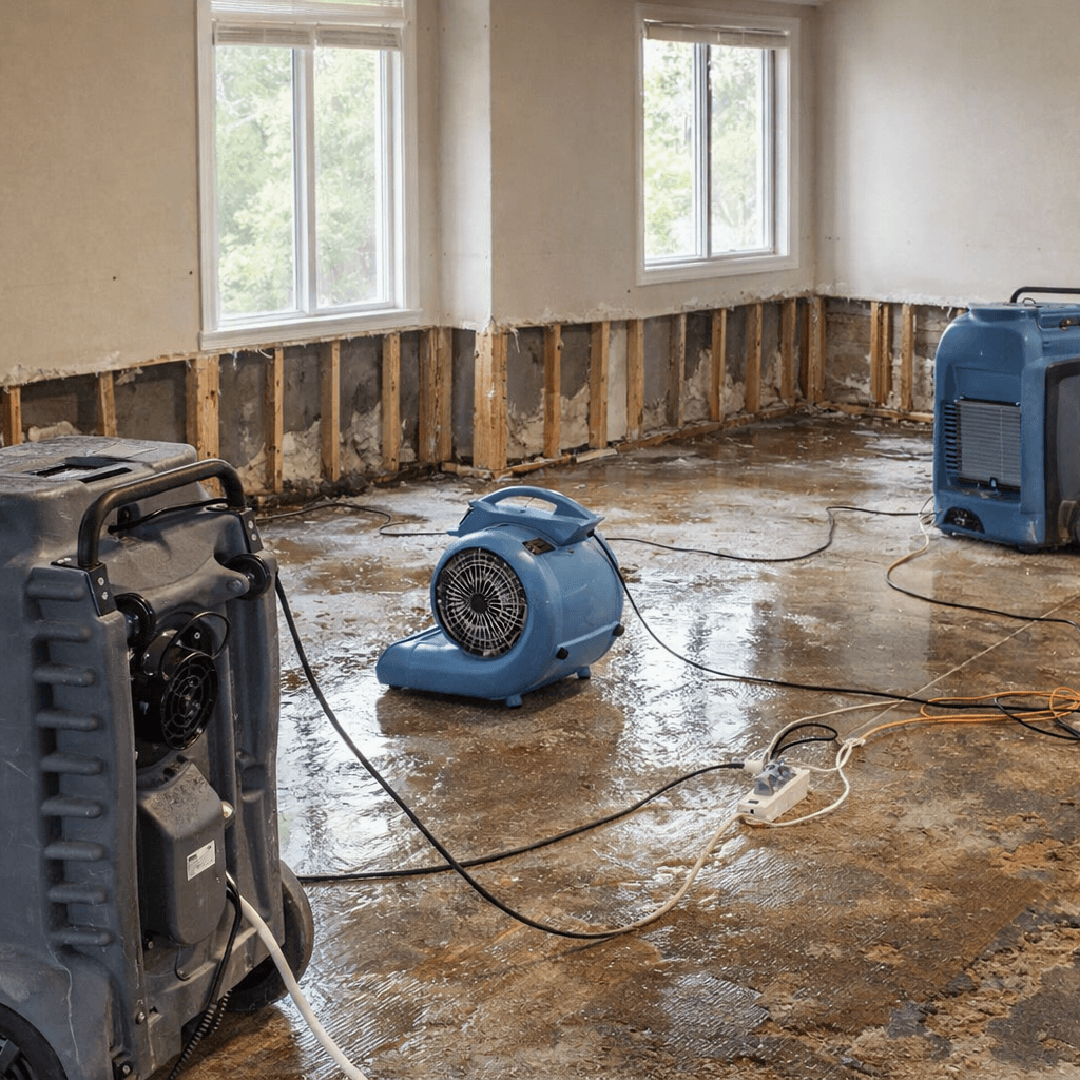
We assess materials that remain wet after water removal and develop a drying plan for the affected areas. The work may involve moisture meters, infrared observations, air movers, dehumidifiers, and repeat readings. Equipment selection, placement, and monitoring depend on material types, moisture findings, contamination concerns, room layout, and available access.
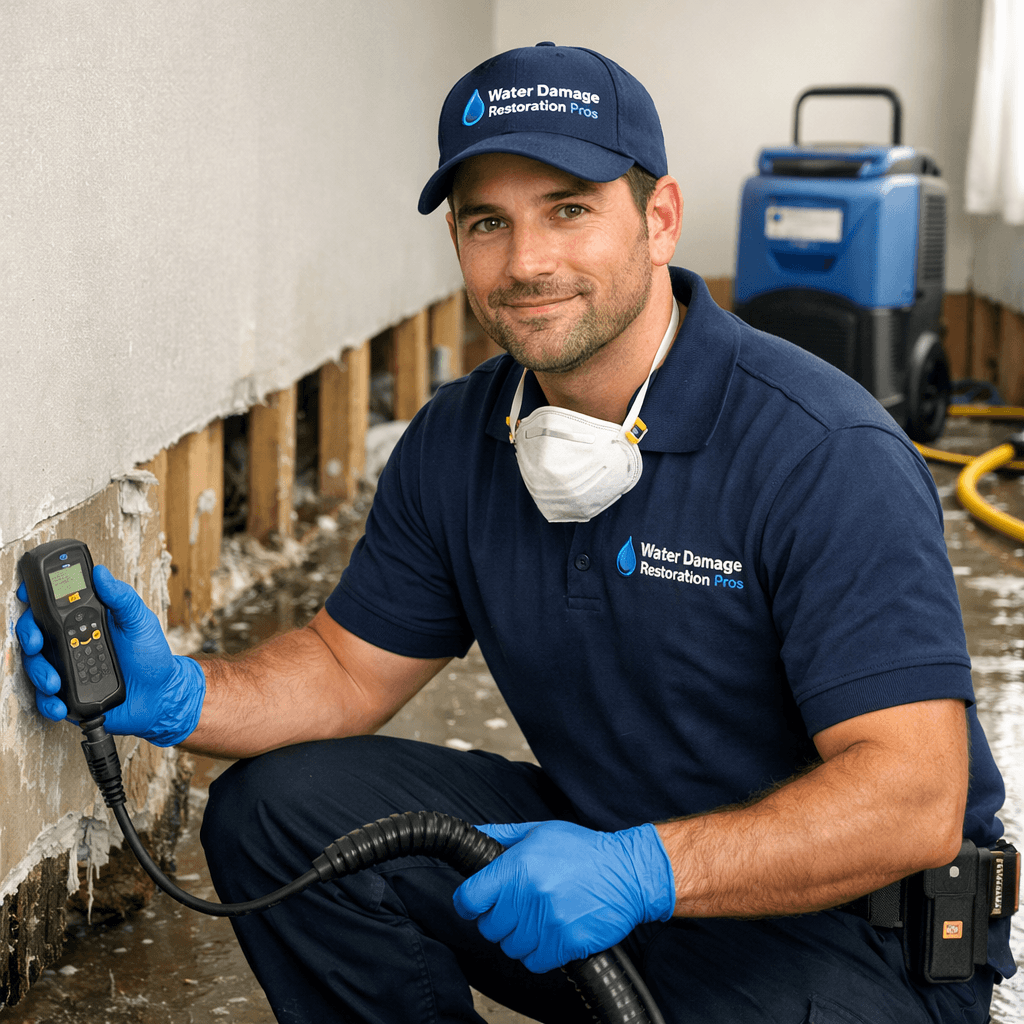
We evaluate affected surfaces and components for cleaning, drying, retention, removal, or replacement. The water source, exposure, material condition, contamination concerns, and accessibility guide the proposed work. We explain material decisions and debris-handling arrangements before cleanup proceeds.
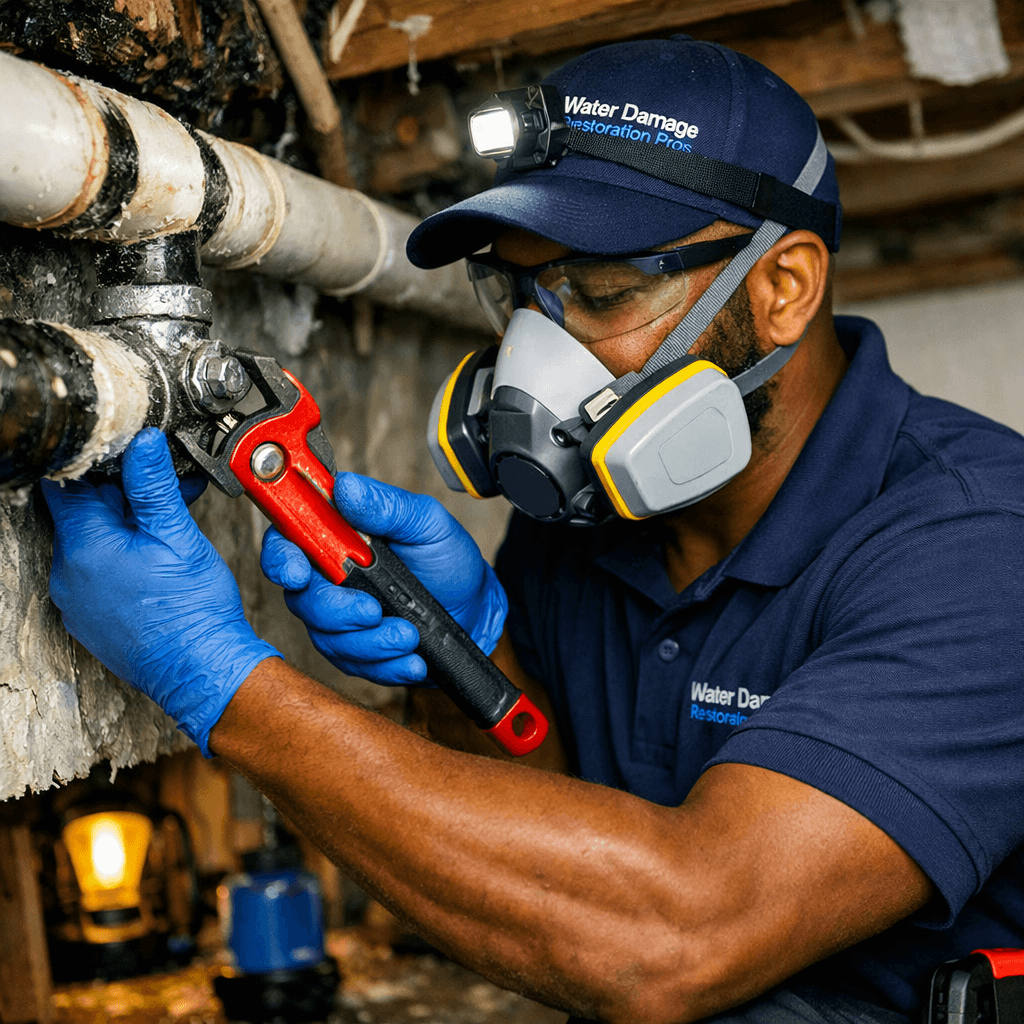
Repair planning follows the agreed moisture-management and cleanup work. Damaged drywall, insulation, ceilings, flooring, subflooring, cabinets, baseboards, and trim are reviewed according to their condition. We distinguish water damage restoration from plumbing, electrical, roofing, foundation, structural, and other specialist repairs that may require separate evaluation.
Flood restoration may be needed after plumbing failures, appliance overflows, roof leaks, stormwater intrusion, drainage problems, water entering from another unit, sewage backups, or other water events. We review the reported source, affected spaces, visible conditions, exposure history, and possible contamination before discussing water removal, drying, cleanup, and repair requirements.
Commercial flood cleanup may be needed in offices, retail spaces, restaurants, multi-unit properties, warehouses, and managed buildings. We discuss accessible affected areas, flooring, wall finishes, inventory, equipment, tenant or customer safety considerations, and property access when planning the work. The agreed scope may include extraction, drying, cleaning, material removal, and restoration planning.
Black water cleanup and sewage-backup work require careful planning because contaminated water can affect occupied spaces, flooring, wall materials, contents, and building systems. We assess accessible affected areas and discuss cleaning, disposal, drying, material removal, and restoration needs. Avoid contact with contaminated water and keep occupants, employees, visitors, children, and pets away from the affected area.
Washing machines, dishwashers, refrigerators, water heaters, toilets, sinks, tubs, and supply lines can release water into nearby rooms or lower levels. Tell us what failed, whether the water has stopped, and which areas show water or damage. These details help us discuss water removal, drying, cleanup, and restoration needs.
Roof leaks and stormwater intrusion can affect ceilings, insulation, wall finishes, flooring, and rooms below the visible entry point. Water may travel through building materials before it becomes noticeable. Tell us where staining, dripping, wet ceilings, damaged finishes, or standing water is visible so accessible affected areas can be evaluated.
Water damage reconstruction follows assessment, cleanup, extraction, drying, and material decisions. We review affected drywall, insulation, ceilings, flooring, cabinets, trim, and other accessible finishes to determine what may be retained, repaired, removed, or replaced. The repair scope is explained before restoration work proceeds.
Call for water damage restoration in Henderson.
Discuss water cleanup, flood restoration, sewage concerns, and current 24-hour availability.
Our restoration process connects assessment, extraction, drying, cleanup, and repair planning. The work follows the actual water source, affected materials, safety conditions, moisture findings, and access arrangements at each property.
STEP 1
Tell us the property location, building type, known water source, and affected rooms. Explain whether water is still entering and mention electrical, contamination, ceiling, or access concerns. These details help us discuss current availability and the proposed next steps.
STEP 2
We review accessible affected areas and look for evidence of water movement through finishes and building materials. Visible observations and moisture-assessment methods help identify wet areas and guide decisions about extraction, drying, cleaning, material removal, and further investigation.
STEP 3
We remove accessible standing water where appropriate and implement drying measures suited to the assessed conditions. Equipment use and placement follow the affected space, material types, contamination concerns, moisture findings, and available access.
STEP 4
We evaluate affected materials for cleaning, drying, removal, or replacement. We explain the proposed repair work and any separate specialist assessment that may be required. Visible or suspected mold is addressed as a separate moisture-related concern during the planning discussion.
STEP 5
We review moisture findings and material conditions as work progresses. At the final review, we explain completed work, identify outstanding repair or replacement needs, and discuss further actions noted for the property.
Water extraction and structural drying are separate parts of water damage restoration. Extraction removes accessible excess water, while drying addresses moisture retained in affected materials. We assess both stages before planning the next work.
We use moisture-assessment methods to review accessible materials and identify areas requiring closer attention. Moisture meters, infrared observations, and inspection findings are considered alongside the reported water source and visible conditions. We explain limitations involving concealed spaces or restricted access.
Drying equipment is selected according to the affected materials, room layout, moisture conditions, access, and agreed work. Air movers and dehumidifiers may be used to support drying in affected spaces. Placement and operation may be adjusted as the drying assessment progresses.
We review follow-up readings and material observations before moving to the next stage. The findings help identify whether additional drying, material removal, or further assessment is required. We explain remaining moisture-related tasks before repairs proceed.
Our repair planning follows assessment of the water source, material condition, exposure, visible damage, and remaining moisture. We explain which components are proposed for retention and which may require replacement, repair, or specialist attention.
We assess affected painted surfaces, drywall, ceiling assemblies, insulation, and accessible wall-cavity materials. The repair scope identifies proposed removal and replacement where components cannot reasonably be retained. Ceiling instability or other safety concerns should be evaluated before work proceeds beneath the affected area.
We review affected carpet, underlay, hardwood, laminate, vinyl, tile assemblies, and subfloors. The assessment considers accessible layers beneath the visible floor covering. We explain proposed drying, cleaning, repair, or replacement according to material condition and reported exposure.
Water can affect cabinet bases, shelving, baseboards, door trim, built-in finishes, furniture, boxes, and stored belongings. We review accessible items included in the agreed scope and explain whether drying, cleaning, removal, repair, or replacement may be needed.
Water Damage Restoration Nevada accepts service inquiries for homes, condos, apartments, offices, retail spaces, and managed properties in Henderson, NV. Contact us about plumbing leaks, appliance overflows, water-heater leaks, toilet backups, standing water, flood cleanup, sewage backups, roof leaks, stormwater intrusion, water extraction, structural drying, and water damage reconstruction.
We provide water damage restoration and water cleanup services throughout Henderson, including Green Valley, Green Valley Ranch, Seven Hills, Anthem, MacDonald Ranch, Whitney Ranch, Lake Las Vegas, Tuscany Village, and nearby Henderson communities. Property owners and managers in ZIP codes 89002, 89011, 89012, 89014, 89015, 89044, 89052, and 89074 can provide the full property address, affected areas, and known water source so availability and access arrangements can be discussed.
For statewide information, visit our Nevada water damage restoration homepage. We also accept inquiries for nearby Nevada communities including Las Vegas, Paradise, Enterprise, Spring Valley, Sunrise Manor, and Boulder City.
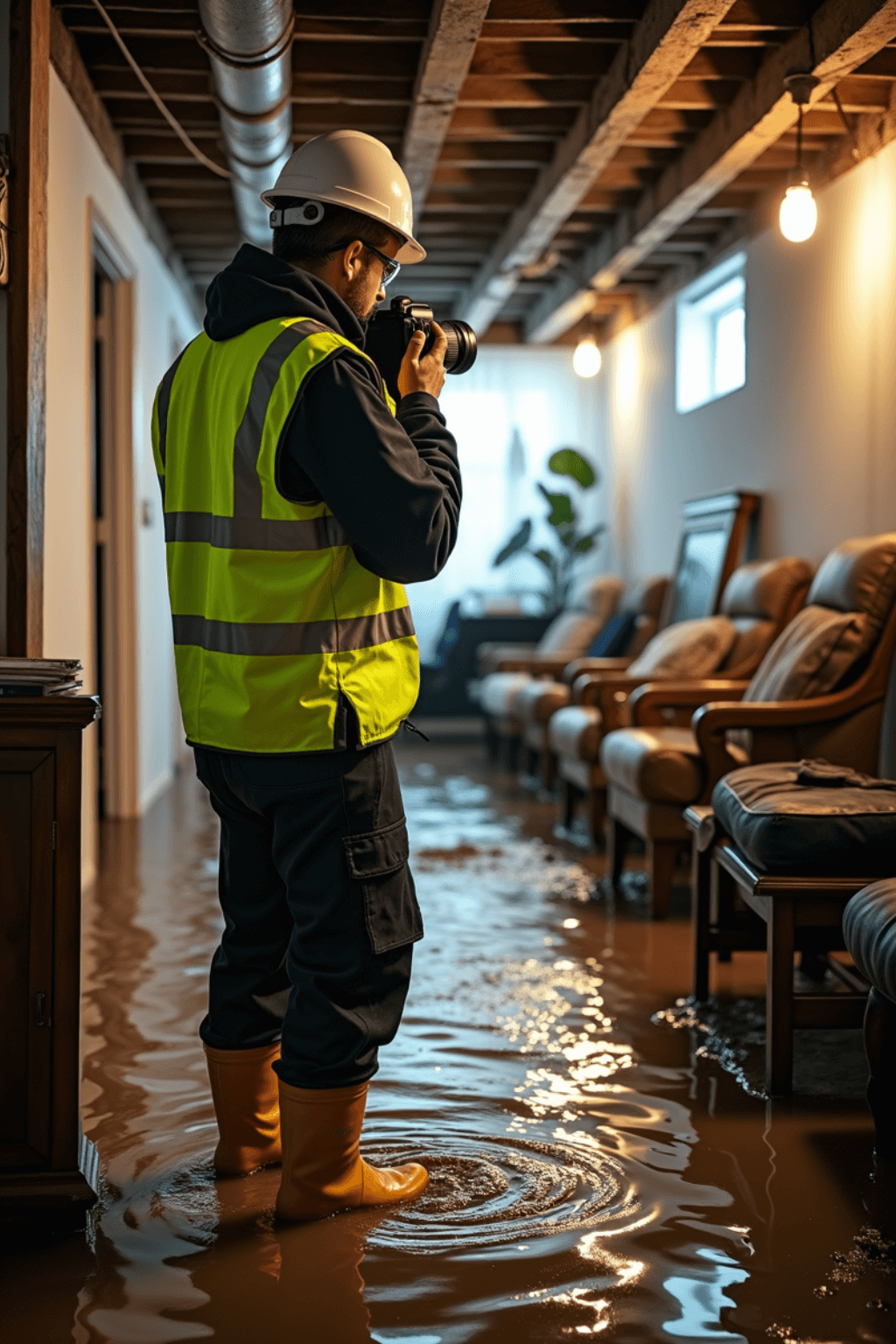
Need water damage restoration in Henderson?
Tell us where the water is coming from and which areas are affected.
Find answers to common questions about water damage assessment, cleanup, drying, costs, repairs, and related restoration services.
Water damage should be assessed as soon as it is safe and practical. Tell us whether water is still entering, which areas are affected, and whether electrical or contamination concerns are present. We can discuss current availability and appropriate assessment arrangements.
The cost depends on the affected areas and agreed scope. An estimate may identify extraction, drying, cleaning, material removal, debris handling, and repair work. Contents handling, source corrections, testing, and specialist services may be defined separately where required.
Commercial flood cleanup may include assessment of accessible affected areas, water extraction, structural drying, cleaning, material removal, debris handling, and restoration planning. The proposed work depends on the reported water source, material condition, contamination concerns, building access, tenant or customer safety needs, and agreed scope.
Black water refers to wastewater or other water that may contain contaminants. Cleanup requirements depend on the reported source, affected materials, visible conditions, accessibility, and exposure history. Avoid contact with the water and keep people and pets away from the affected area until the situation can be assessed.
We evaluate materials before proposing retention, cleaning, drying, removal, or replacement. The assessment considers material type, reported exposure, possible contamination, visible damage, moisture findings, and accessibility.
Ask about documentation available for the agreed project, including photographs, moisture findings, affected-area information, estimates, and work records where applicable. Confirm your insurer’s documentation and coverage requirements directly with the insurer.
We discuss a property-specific work sequence after assessment. Timing accounts for extraction, cleanup, remaining moisture, drying progress, material decisions, access, and repairs. Separately arranged source corrections or specialist tasks may also need to be coordinated.
Keep people and pets away from contaminated water, damaged electrical equipment, unstable ceilings, and other unsafe areas. Stop the water source only if it can be done safely without entering a hazardous space or handling damaged systems. Photograph visible damage from a safe location, note whether water is still entering, and follow relevant directions from authorities, property managers, insurers, or qualified professionals.