Water Damage Restoration Nevada helps property owners in Paradise, NV understand the next steps after water damage. We take calls about burst pipes, plumbing leaks, appliance failures, overflowing fixtures, roof leaks, outside water intrusion, sewage backups, and other water-related property damage.
Water can affect more than the first visible area. It may move into flooring, drywall, cabinets, ceilings, insulation, trim, furniture, and nearby rooms. The extent of the damage depends on the water source, the materials affected, and how long moisture remained in the property.
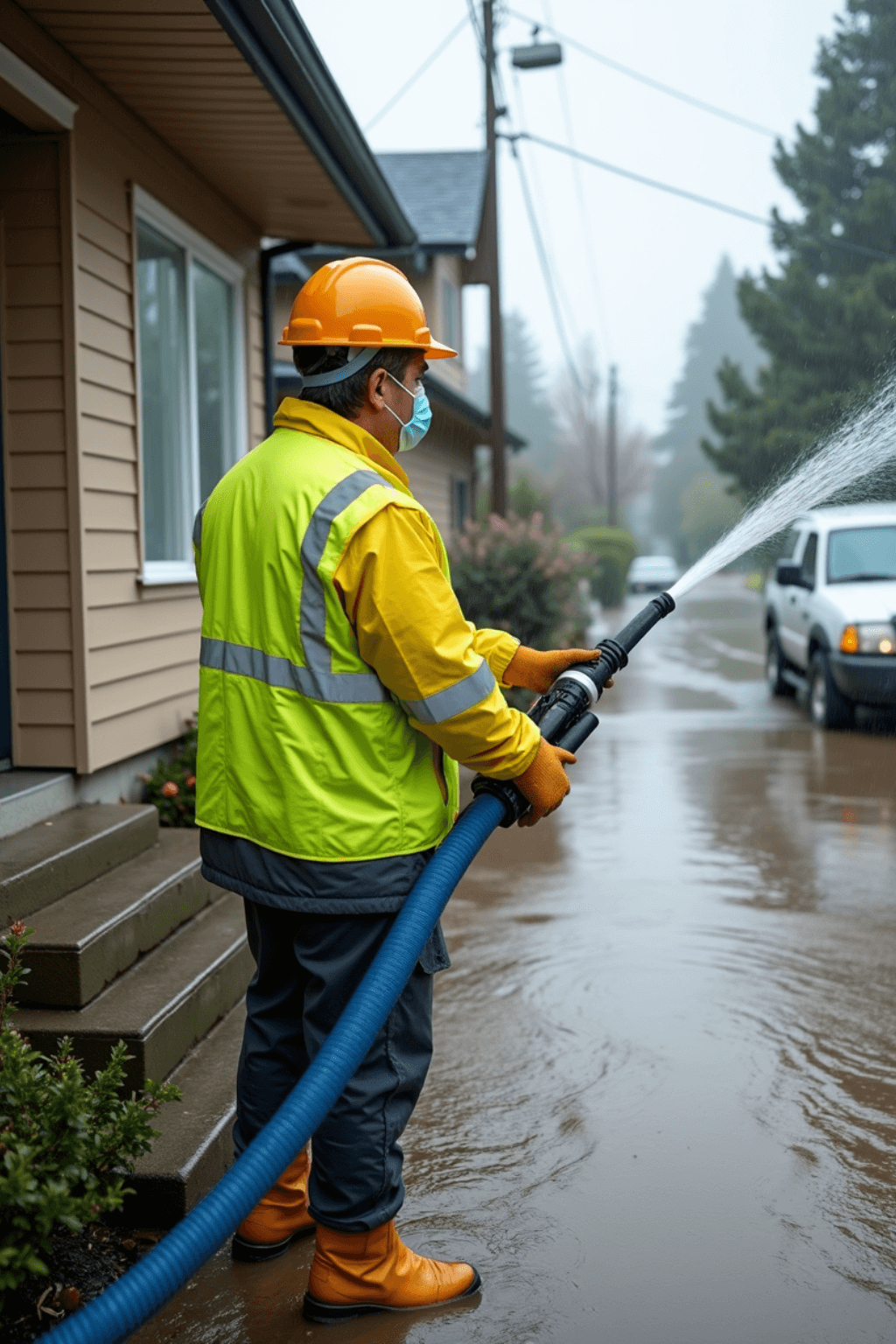
When water enters a home, apartment, rental unit, office, retail space, or another building, the visible water may be only part of the issue. Moisture can move under flooring, behind walls, into cabinet bases, and through ceiling materials before the full condition is clear.
If it is safe to do so, stop the water source and move dry belongings away from the affected area. Avoid standing water near electrical outlets, appliances, exposed wiring, or ceilings that look swollen or unstable. Keep children and pets away from wet or contaminated areas.
When you call, it helps to share the property address, the likely water source, the rooms affected, and whether water is still entering the property. It is also useful to mention tenant access, building management, sewage concerns, roof leaks, or electrical hazards that may affect the next step.
Need water damage help in Paradise?
Discuss water cleanup, water removal, flood restoration, structural drying, and repair planning for your residential or commercial property.
Water damage restoration focuses on drying, cleaning, and stabilizing water-affected areas after unwanted water enters a property. The exact scope depends on the source of the water, the materials affected, contamination concerns, access, and the overall condition of the property.
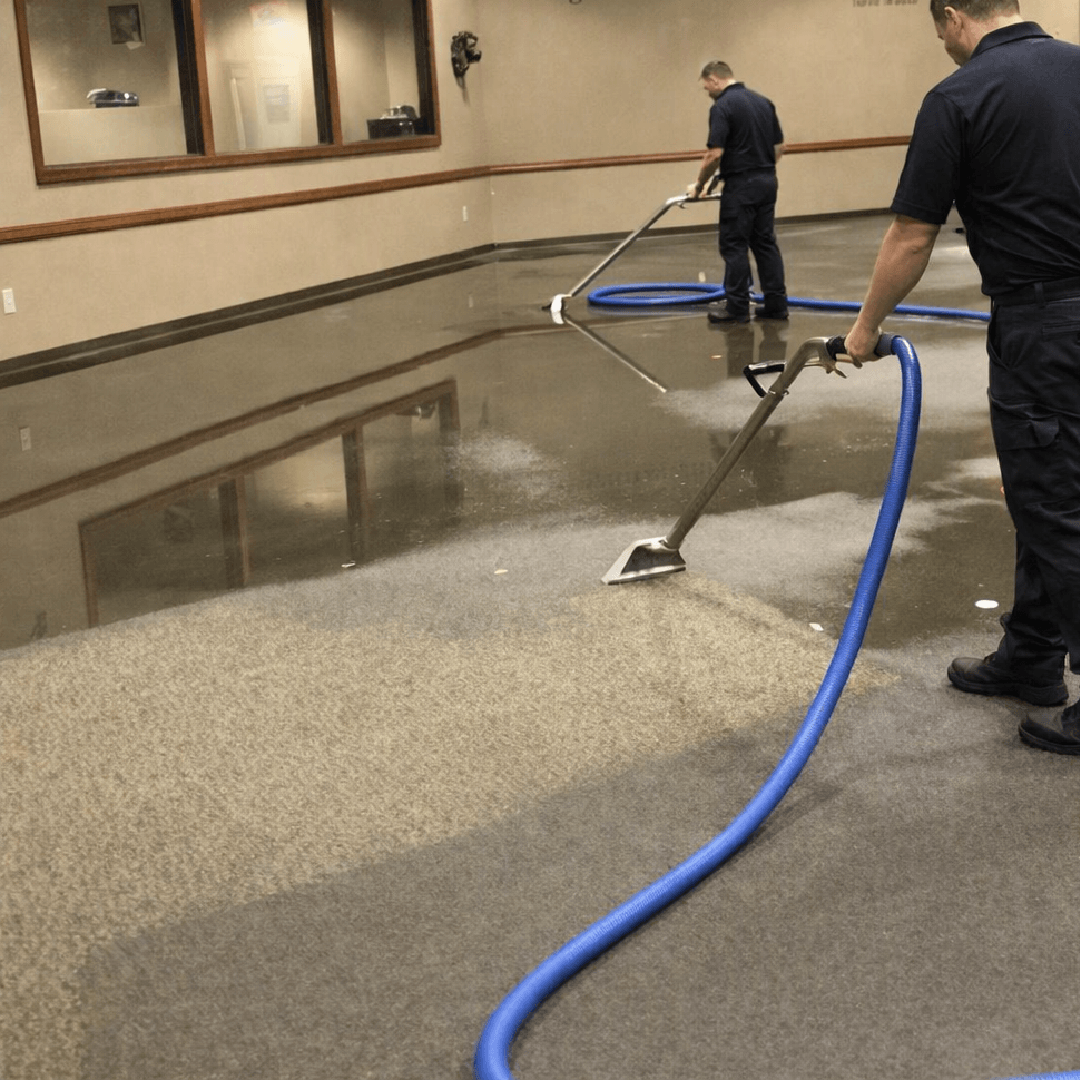
Water extraction deals with standing water in accessible areas. Carpet, padding, laminate, hardwood, vinyl, drywall, cabinets, furniture, and stored items can all respond differently after water exposure. The plan depends on how much water is present and how far it has spread.
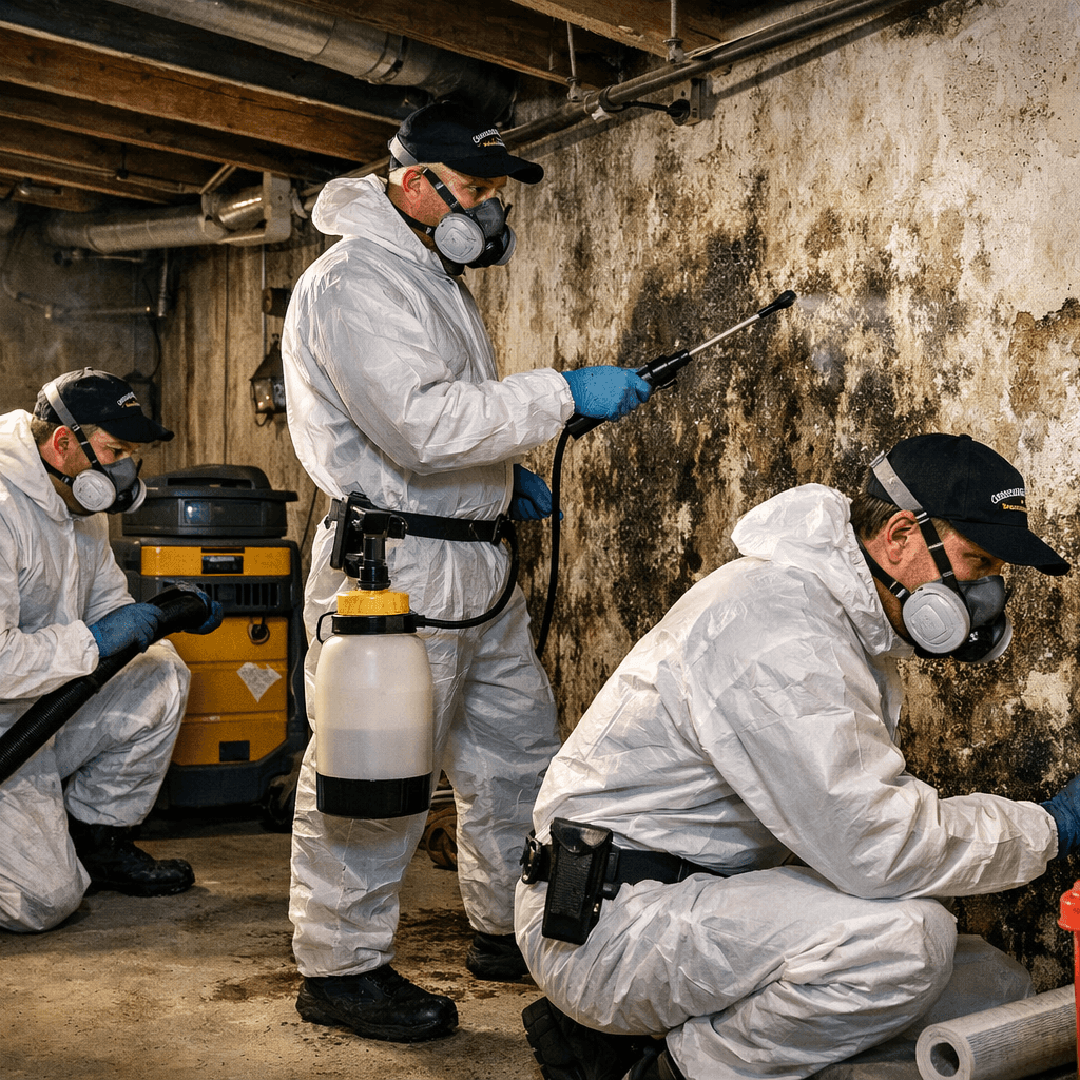
Flood cleanup may be needed after a plumbing failure, overflowing fixture, appliance leak, roof leak, outside water intrusion, or drain backup. Water conditions and material damage help determine whether cleanup, drying, sanitation, selective removal, or repair planning is needed.
Basement flood cleanup may involve water removal, drying, cleaning, and a review of flooring, drywall, insulation, cabinets, and stored items. Water in a basement can affect materials that are not easy to reach, so the full area may need to be reviewed.
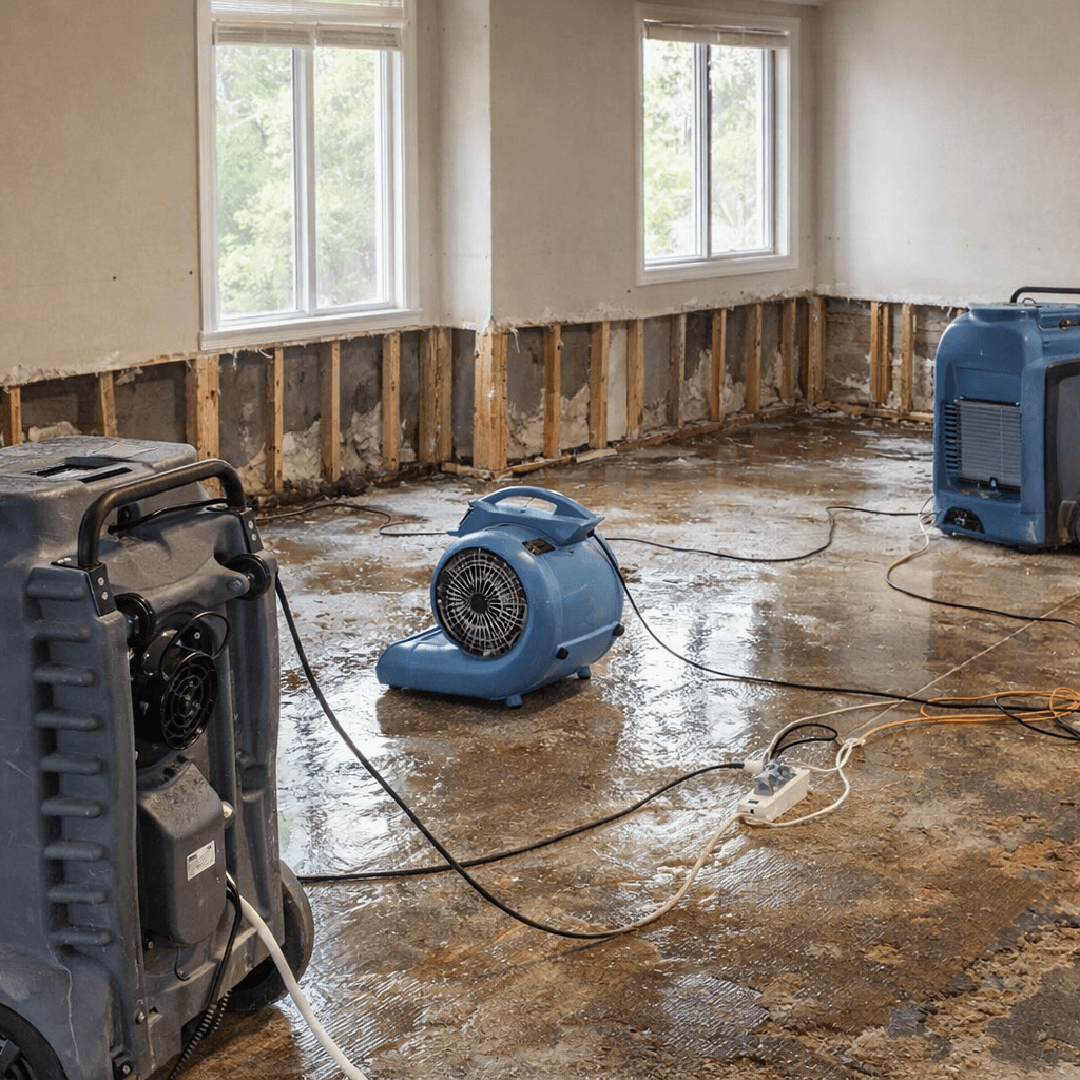
Structural drying focuses on moisture that remains inside materials after visible water is removed. Drying equipment may be used based on room layout, humidity, airflow, moisture readings, material type, and access to the affected area.
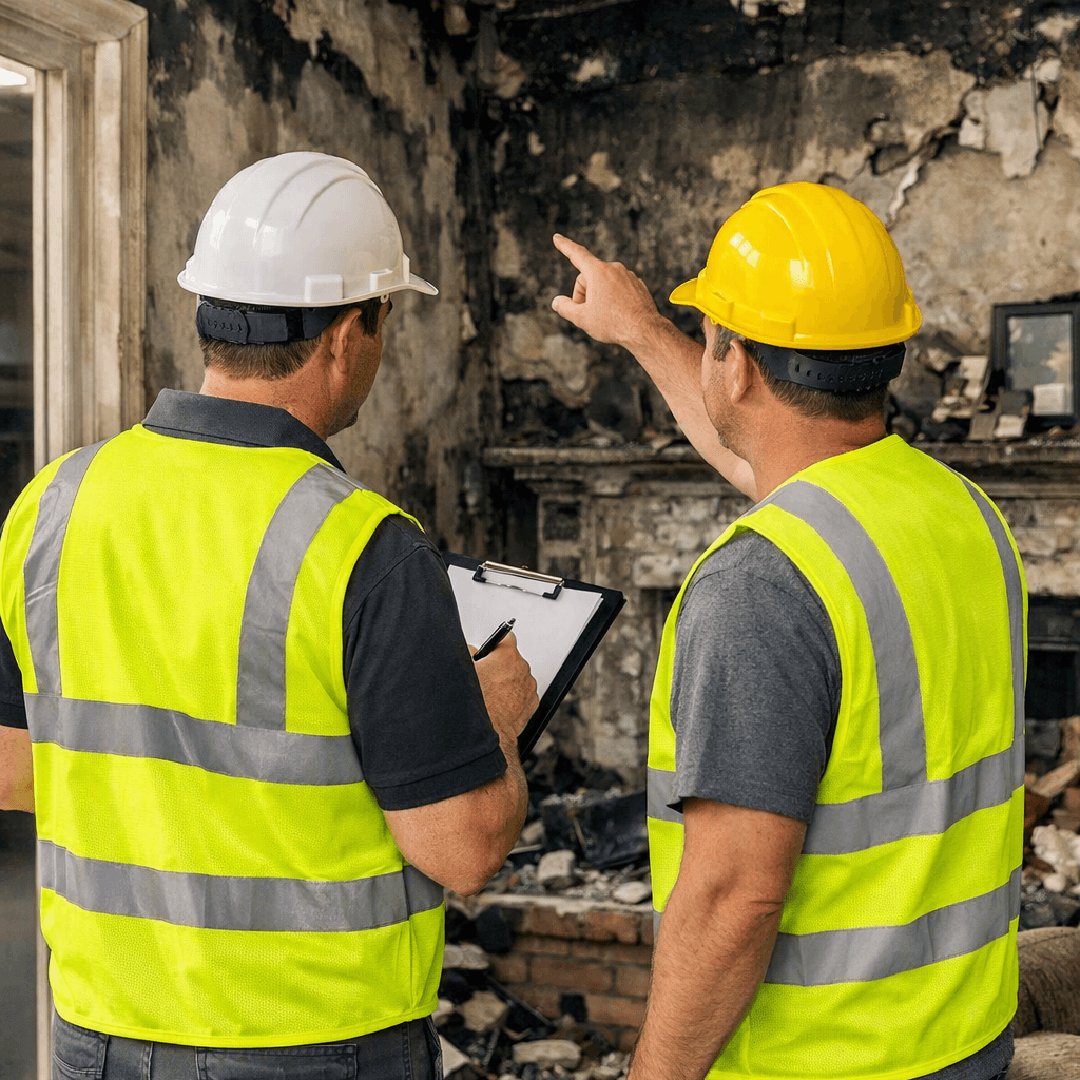
Some materials can be cleaned and dried, while others may need to be removed because they are saturated, contaminated, damaged, or not likely to dry well. The source and condition of the water matter when deciding what can stay and what should go.
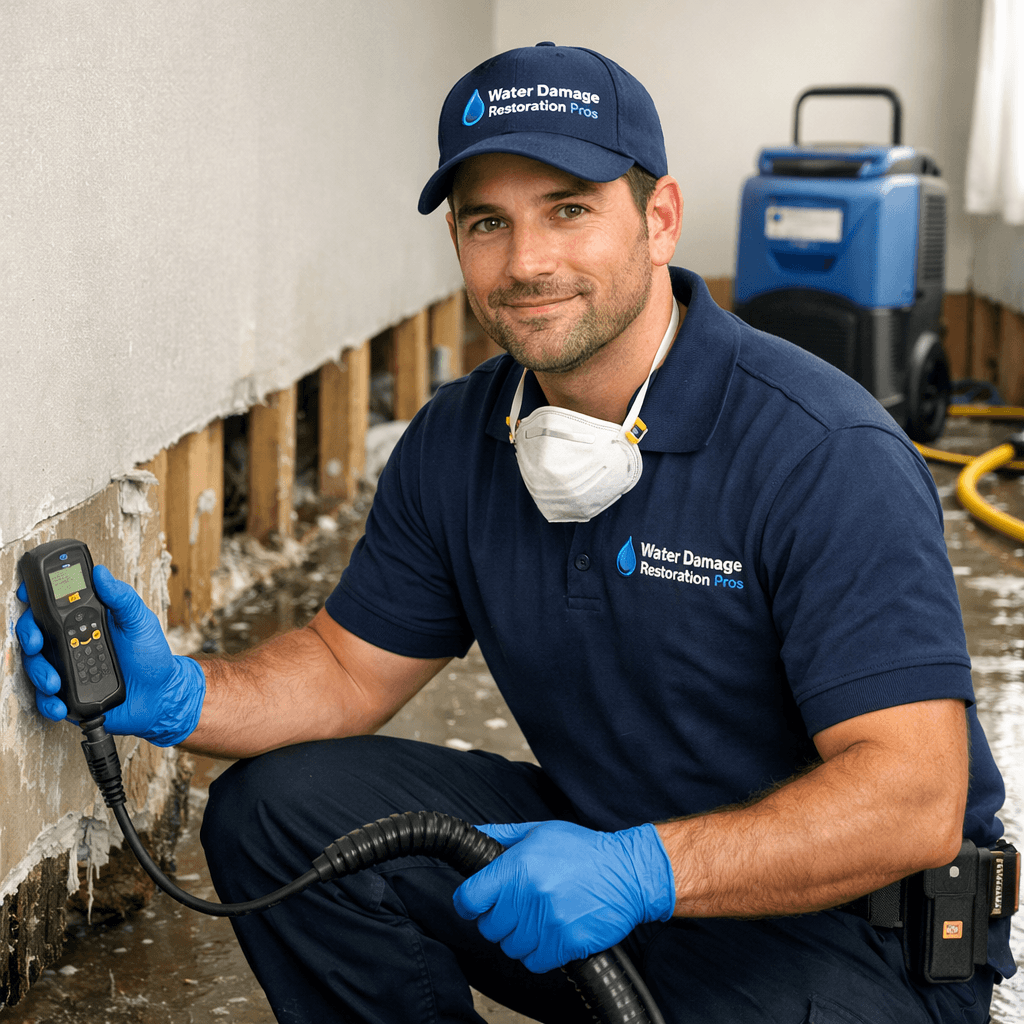
After cleanup and drying, repair work may include drywall replacement, ceiling repair, flooring work, trim replacement, cabinet repair, painting, or rebuilding removed sections. Repairs to the source of the leak or failure may require a plumber, roofer, electrician, or another trade professional.
Some water problems happen all at once, while others build slowly over time. The source, water path, exposure time, and affected materials all shape the restoration process.
Broken pipes, leaking shutoff valves, failed supply lines, and water-heater leaks can affect kitchens, bathrooms, laundry areas, garages, utility rooms, and nearby spaces. Water may travel behind walls, beneath floors, or through ceilings before the full damage is visible.
Washing machines, dishwashers, refrigerators, sinks, toilets, showers, tubs, and water heaters can all cause water damage when hoses break, seals fail, drains clog, or fixtures overflow. What starts in one room can spread into nearby materials and lower levels.
Water may enter through roofing problems, flashing damage, vents, windows, doors, and other exterior openings. Ceiling stains, damp insulation, and wet flooring may be obvious, but moisture can also travel away from the entry point into less visible areas.
Sewage backups and other contaminated-water events need more caution. Some porous materials may need removal, while accessible surfaces may need cleaning, sanitation, drying, and debris handling before repair work can move forward.
Request water damage help
Provide the property address, the likely source of water if known, the rooms affected, and whether water is still entering the property.
The restoration plan depends on the source and amount of water, the type of materials involved, the condition of the property, contamination concerns, and access to the damaged area. A small leak in one room needs a different approach than water that moved across several rooms or floors.
STEP 1
The first step is to understand the property type, likely water source, affected rooms, and any immediate safety issues. Let us know whether water is still active, whether sewage is involved, and whether building access is limited by tenants, managers, stored contents, or site rules.
STEP 2
Accessible materials and rooms are reviewed for standing water, dampness, staining, swelling, and signs that moisture spread past the first visible area. A technician can review accessible affected areas and explain which cleanup, drying, or repair steps may be needed.
STEP 3
Standing water is addressed based on the surfaces and conditions involved. Drying equipment may then be placed to help reduce moisture in accessible materials. Setup depends on humidity, airflow, room size, material type, moisture findings, and available access.
STEP 4
Some materials may be kept and dried. Others may need removal because of saturation, contamination, damage, or poor drying conditions. The water source and the condition of the materials guide that decision.
STEP 5
Follow-up moisture checks help show whether drying is moving in the right direction. After cleanup and drying are complete, remaining repair, replacement, or source-correction needs can be identified.
Water removal and structural drying are related but different parts of the work. Water removal focuses on visible standing water. Structural drying focuses on moisture left behind in drywall, flooring, cabinets, insulation, trim, and subflooring.
Visual checks and moisture readings help identify accessible materials that may still be wet. The review looks at the likely water path, material type, and signs that moisture spread beyond the most obvious damage.
Air movers and dehumidifiers may be used when conditions call for them. Equipment placement depends on airflow, humidity, room shape, material condition, and access to the affected area.
Follow-up checks help determine whether moisture levels are improving or whether more drying, more access, material removal, or repair planning should be considered.
Restoration and repair are connected, but they are not the same thing. Restoration focuses on drying, cleaning, and stabilizing the property after water intrusion. Repair focuses on replacing or rebuilding materials that cannot be saved.
Drywall, ceilings, insulation, trim, and wall cavities can all hold moisture after a leak or flood. Accessible areas can be reviewed to decide whether materials can be dried or whether damaged sections should be removed before rebuilding.
Carpet, padding, laminate, wood flooring, vinyl, tile-related materials, adhesives, and subflooring can all be affected by water. The best approach depends on the material condition, water source, duration of exposure, and moisture findings.
Cabinet bases, furniture, built-ins, shelving, stored contents, equipment, and other low-level materials may be affected as water moves through the property. Accessible items can be reviewed for drying, cleaning, repair, removal, or replacement needs.
Paradise properties may include homes, apartments, rental units, office suites, retail spaces, hotels, mixed-use properties, storage areas, and other commercial spaces. Access rules, tenant schedules, stored inventory, equipment, and building management can all affect how restoration work is planned.
Owners, tenants, property managers, maintenance contacts, and commercial site contacts can share the property address, likely water source, affected rooms, and any safety or access issues. That helps clarify the right next step for the reported water damage.
Water Damage Restoration Nevada accepts water damage inquiries for Paradise, NV and nearby Las Vegas Valley communities. Contact us about plumbing leaks, burst pipes, appliance failures, flooding, fixture overflows, sewage backups, roof leaks, and other water-related property problems.
You can also visit our local pages for Las Vegas, Spring Valley, Enterprise, Summerlin South, Whitney, Henderson, and North Las Vegas.
Need Help With Water Damage in Paradise?
Tell us where the water entered the property, which areas may be affected, and whether there are access, tenant, management, detached-building, equipment, or safety concerns.
Find answers to common questions about water removal, cleanup, mitigation, structural drying, flood restoration, and repair planning in Paradise.
Water damage should be reviewed as soon as it is safe and practical. Let us know whether water is still entering the property, which rooms are involved, and whether there are electrical or contamination concerns so the next step can be discussed.
The scope can depend on the water source and amount, the size of the affected area, material conditions, drying needs, access, cleaning needs, debris handling, contamination, and repairs needed afterward. Source repairs, testing, and specialist work may be separate from the restoration scope.
Water mitigation means steps taken to reduce further moisture-related damage after a water event. It may include extraction, drying setup, moisture monitoring, cleaning accessible surfaces, stabilizing affected materials, and identifying areas that need more attention.
That depends on the material type, moisture level, water source, length of exposure, contamination concerns, visible damage, and whether the material can be reached and dried effectively.
Water damage restoration may be planned for rental homes, apartments, managed residences, offices, retail spaces, workshops, and other commercial properties. The process may require coordination with tenants, owners, managers, maintenance staff, or other building contacts.
Drying time depends on the amount of water involved, the materials affected, humidity, temperature, airflow, access, moisture levels, and how water moved through the structure. Follow-up checks help show whether drying is progressing or whether more steps should be considered.
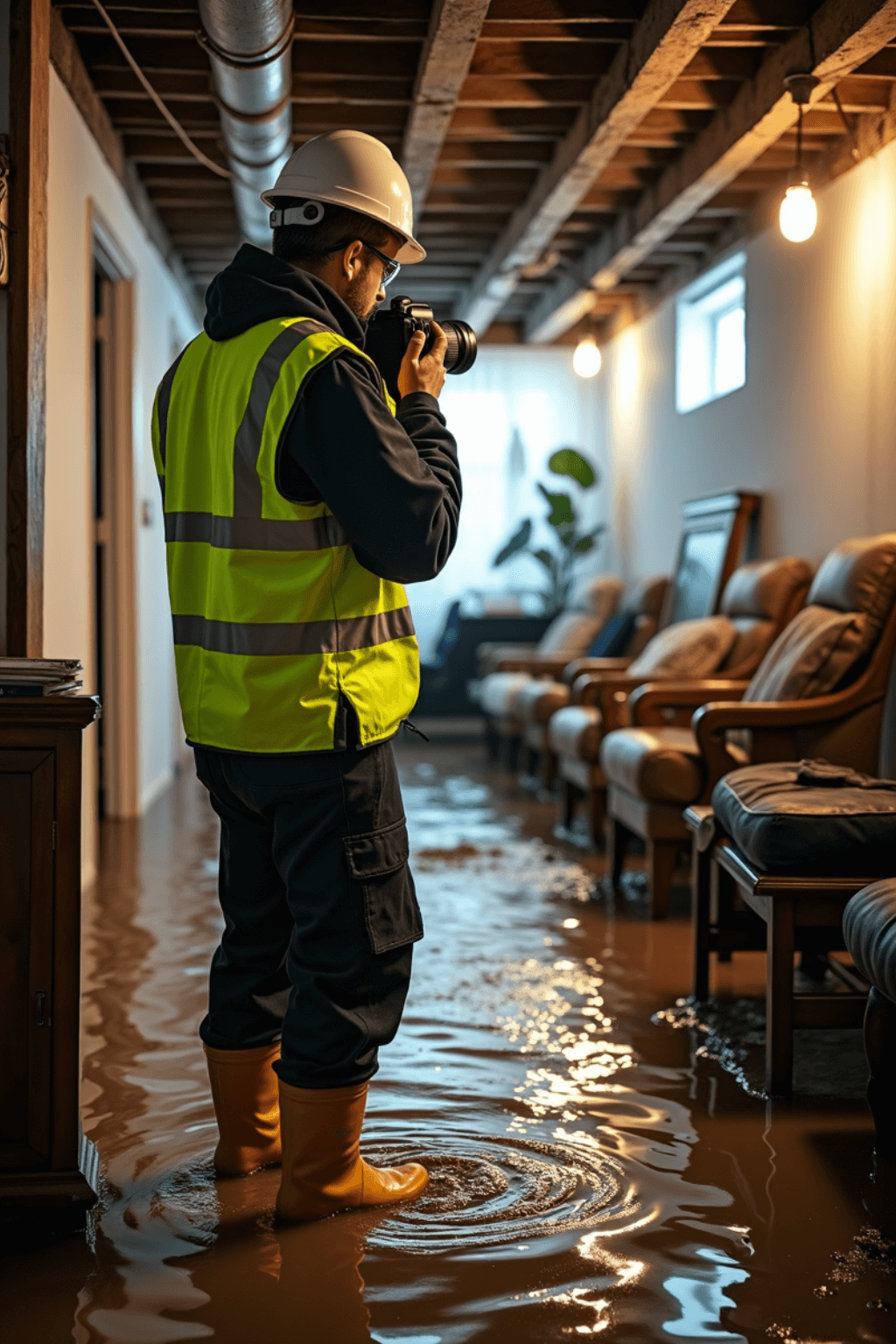
Do not enter standing water near electrical equipment or exposed wiring. Avoid contaminated water and stay away from ceilings that appear swollen or unstable. If it is safe, stop the water source, move unaffected items, take photos, and make note of where the water appears to have started.