Water Damage Restoration Nevada provides water damage restoration for homes, apartments, condominiums, rental properties, offices, retail spaces, hospitality properties, and managed buildings in Sunrise Manor, NV. We assess accessible areas affected by water, identify cleanup and drying needs, review damaged materials, and discuss restoration work that may be needed after plumbing leaks, burst pipes, appliance failures, roof leaks, overflows, sewage events, flood damage, and other water-related property losses.
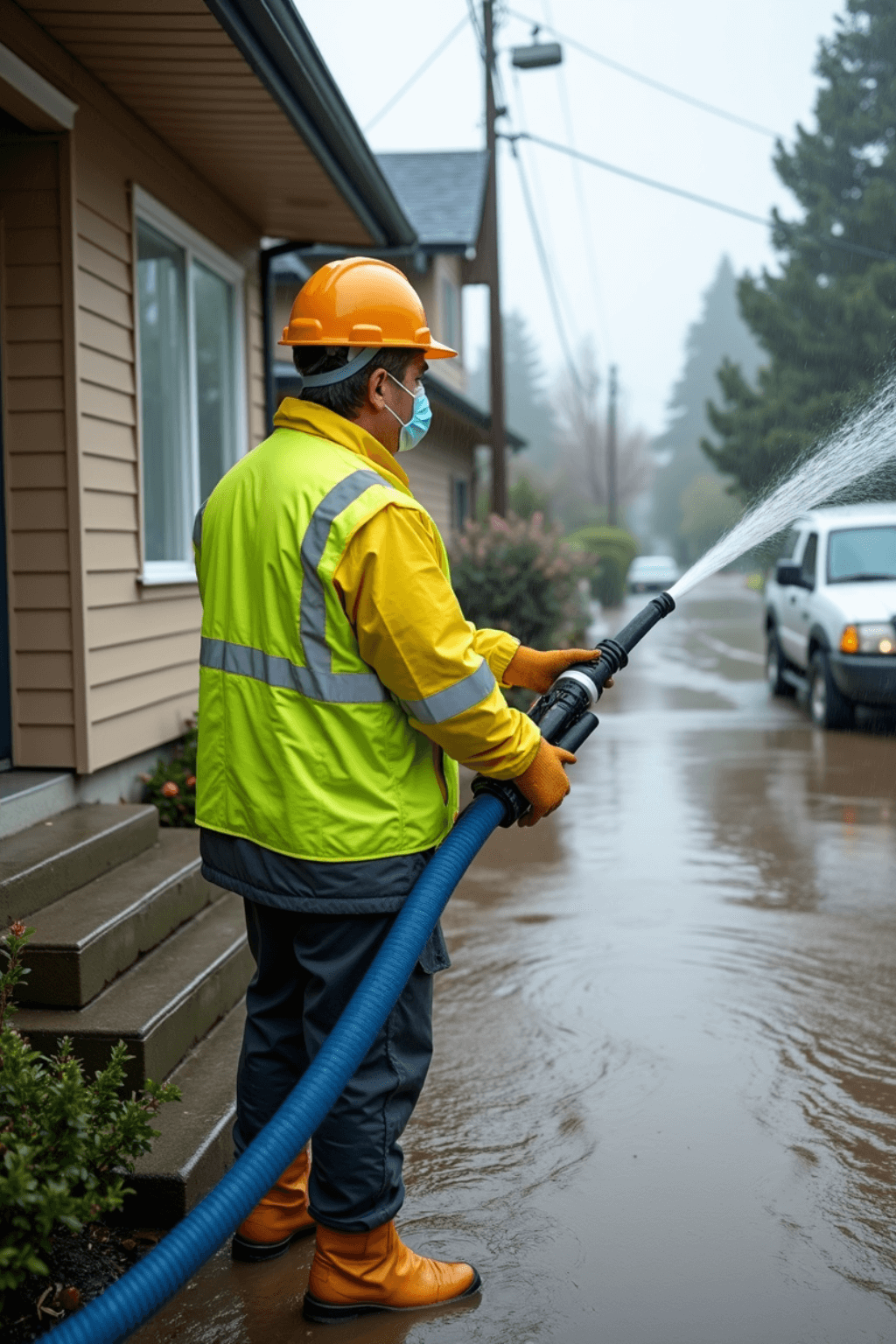
A water loss can spread beyond the room where it begins. Water may move beneath flooring, behind baseboards, into drywall, through cabinets, or into a lower unit before the visible source is fully addressed. The first concerns are safety, stopping additional water entry when it can be done safely, and identifying the accessible materials that may be wet.
Cleanup needs vary by the property and water source. A slow leak beneath a kitchen sink, a broken supply line, a toilet overflow, a failed water heater, or a roof leak can leave different materials and areas affected. In apartments, condominiums, and rental homes, the water may also travel into shared walls, adjacent units, or rooms below.
Stay out of areas with standing water near electrical outlets, appliances, exposed wiring, or weakened ceilings. Avoid direct contact with potentially contaminated water. If safe, move unaffected belongings away from the water and make note of where the loss appears to have started.
Need water damage help in Sunrise Manor?
Discuss water cleanup, water removal, flood restoration, structural drying, and repair planning for your residential or commercial property.
Water damage restoration is planned around the reported loss and the conditions found in accessible areas. Depending on the scope, the work may include extracting standing water, setting up drying equipment, evaluating wet materials, cleaning affected surfaces, removing materials that cannot be retained, and identifying repairs needed after drying is complete.
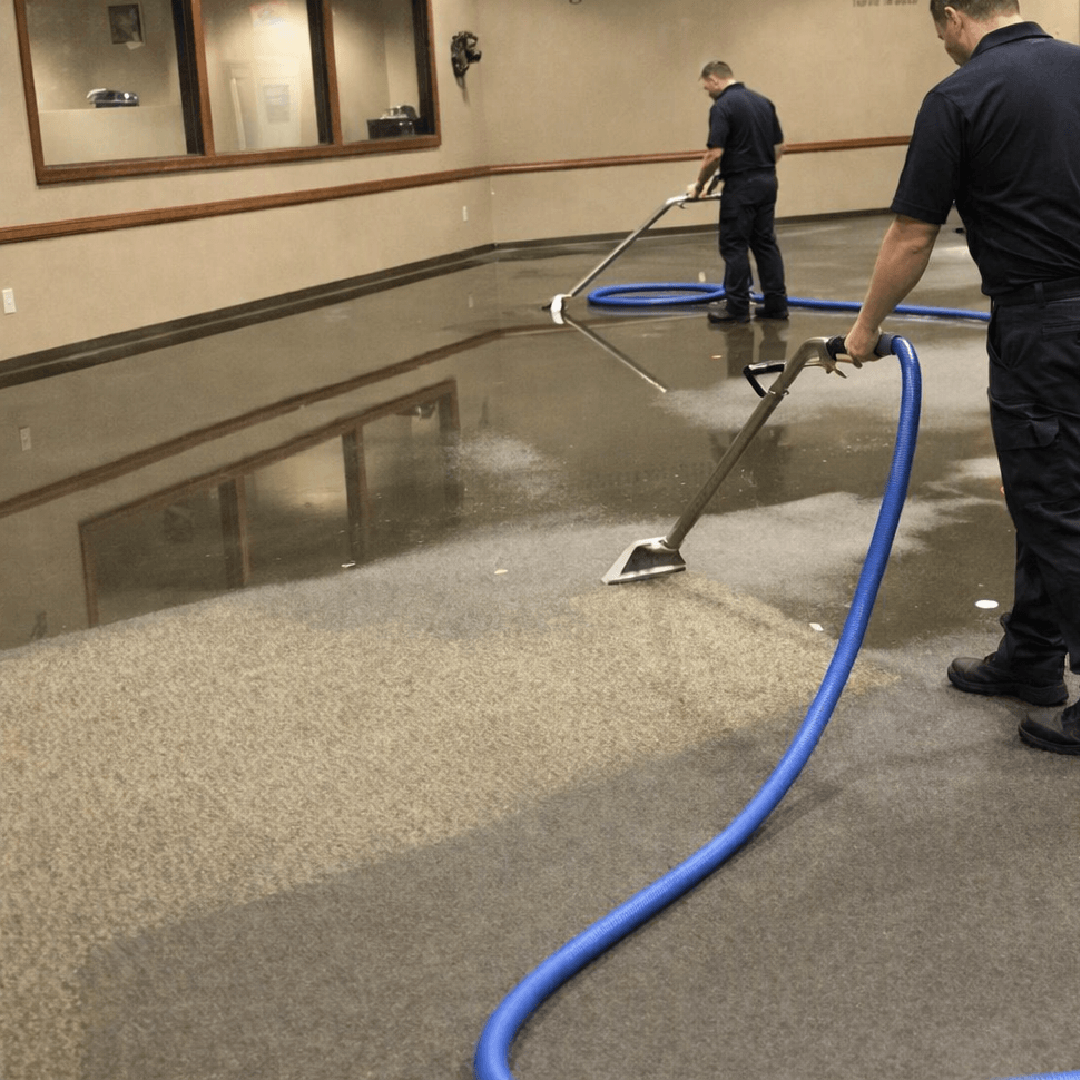
Water removal addresses standing water and accessible moisture on affected surfaces. Carpet, padding, laminate, hardwood, vinyl flooring, tile assemblies, drywall, cabinets, and stored belongings may all react differently to water exposure. The approach depends on the materials, amount of water, and how far the water has traveled.
Flood cleanup may be needed after exterior water entry, plumbing failures, overflows, roof leaks, or other events that affect multiple areas. Floodwater can reach lower wall sections, floors, storage spaces, furnishings, insulation, and subflooring. The water source and material conditions influence the cleanup, drying, and repair plan.
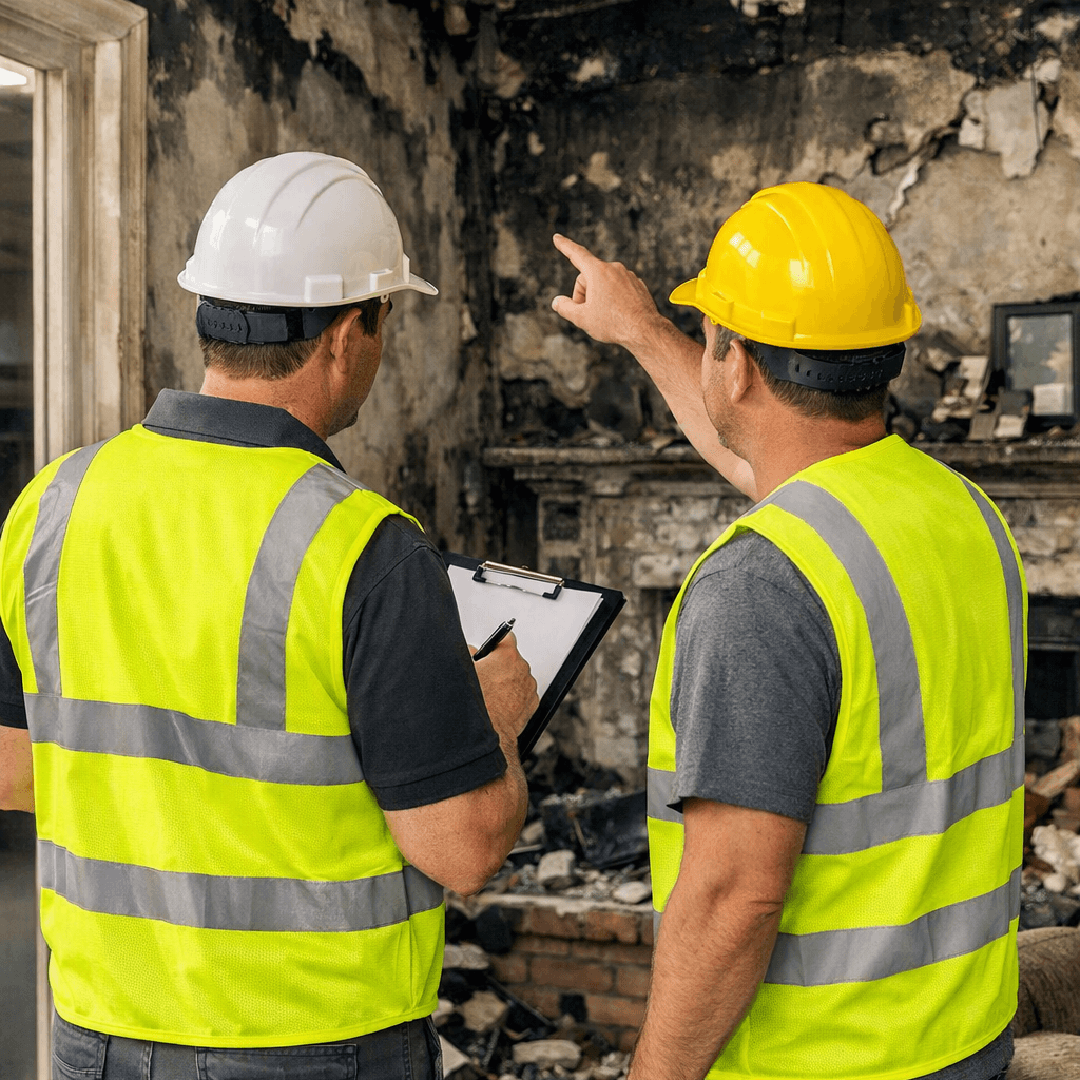
Removing visible water does not always remove moisture inside the structure. Water can remain behind baseboards, under flooring, within drywall assemblies, inside cabinets, and in ceiling materials. Accessible areas are reviewed to determine where drying equipment, monitoring, further access, or material removal may be appropriate.
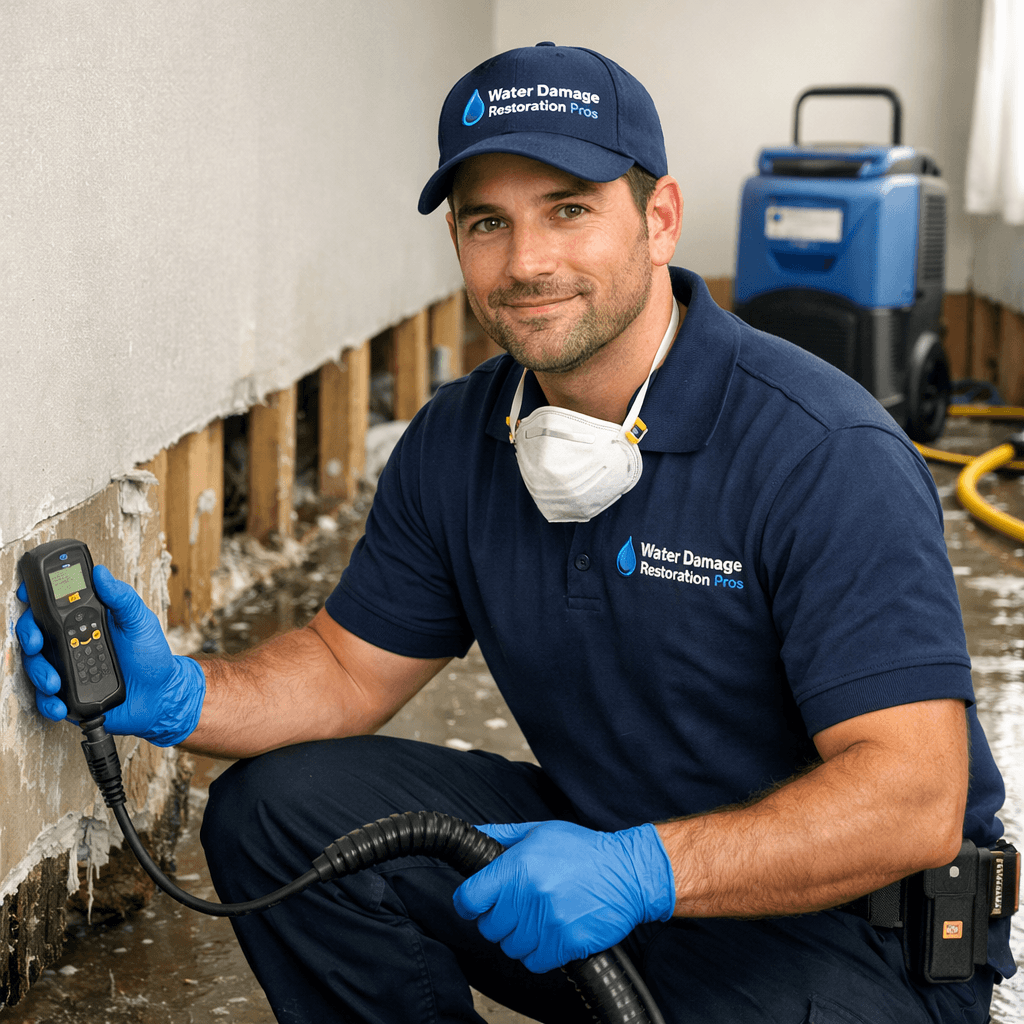
Some building materials and contents can be cleaned and dried, while others may require removal due to saturation, contamination, deterioration, or limited access for drying. Material decisions are based on the affected item, reported water source, moisture conditions, and visible damage.
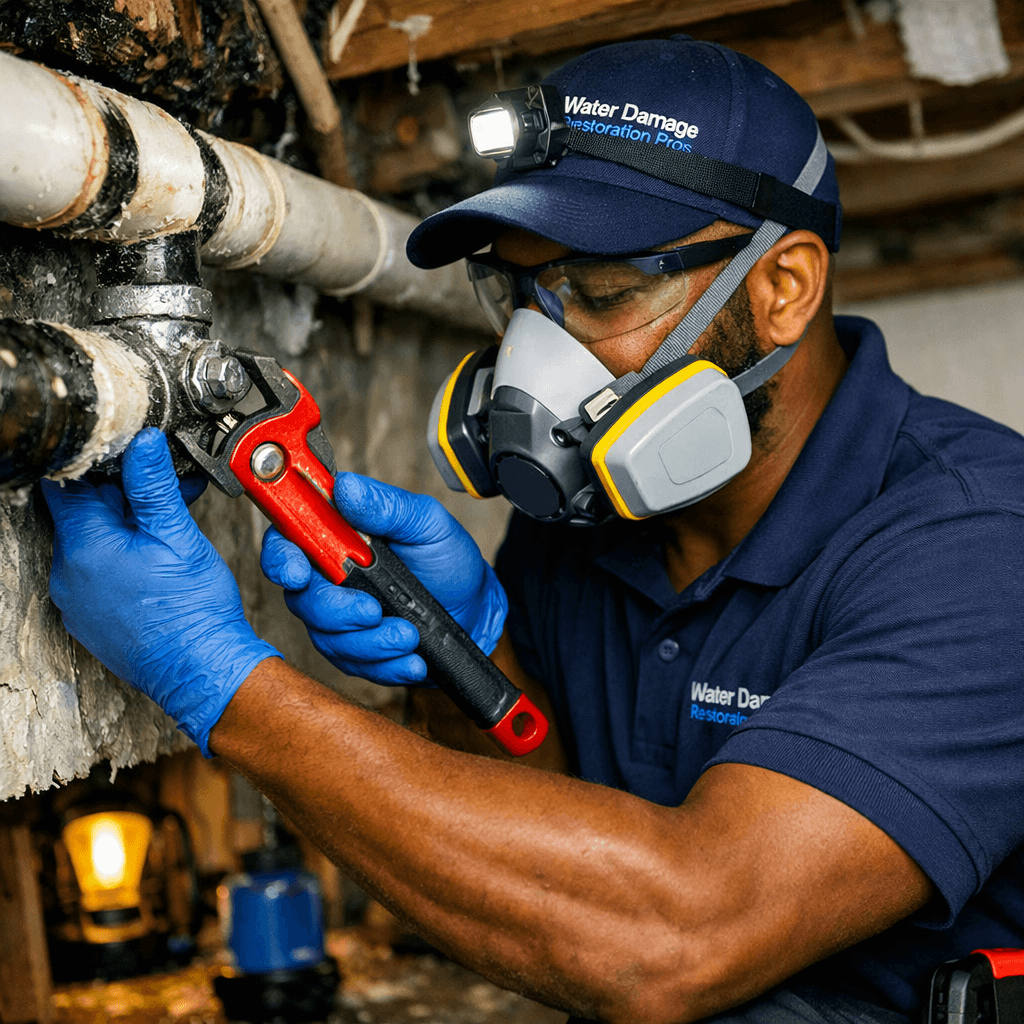
Once cleanup and drying needs are addressed, repair work can be planned for affected areas. The scope may include drywall or ceiling repair, flooring replacement, trim work, cabinet restoration, painting, and reconstruction of materials removed during the restoration process. Plumbing, roofing, electrical, and other source repairs may require the appropriate trade.
Water damage can develop suddenly from a failure or slowly from a leak that remains hidden. The cause of the water loss, the time materials were exposed, and the route the water followed all affect what cleanup and restoration work may be required.
Leaking pipes, failed valves, burst supply lines, and water-heater problems can affect kitchens, bathrooms, laundry areas, utility rooms, and surrounding spaces. Water may travel into walls, cabinets, flooring systems, and ceilings below the original leak.
Dishwashers, washing machines, refrigerators, toilets, tubs, and sinks can create water damage when a connection fails, a drain backs up, or an appliance leaks gradually. Water can spread under flooring and behind cabinets before it is noticed.
Water may enter through damaged roofing, flashing, vents, windows, doors, or other exterior openings. Staining, ceiling drips, damp insulation, or wet floor areas may be visible signs, although water can travel away from the original entry point.
Sunrise Manor has many apartments, condominiums, rental homes, and managed properties where a single water event may affect more than one occupant or unit. Access arrangements, shared plumbing systems, building rules, common areas, and communication with managers or owners may affect the restoration process.
Sewage backups and water that may be contaminated require additional precautions. The cleanup plan may involve removal of affected porous materials, cleaning and sanitation of accessible surfaces, drying, debris handling, and repair planning after the area has been addressed.
Request water damage help
Provide the property address, the likely source of water if known, the rooms affected, and whether water is still entering the property.
Each water loss is evaluated according to the water source, affected materials, moisture conditions, property layout, and access to the work area. A minor appliance leak and water affecting several rooms or units require different cleanup and drying decisions.
STEP 1
During the first conversation, describe the property type, where water is visible, the suspected cause, and whether the source remains active. Mention sewage concerns, electrical hazards, ceiling damage, roof leaks, restricted access, tenant occupancy, or building-management requirements.
STEP 2
Accessible rooms and materials are reviewed for visible water, staining, dampness, and indications that moisture has moved away from the original source. The findings help identify where water extraction, drying, cleaning, material removal, or further assessment may be needed.
STEP 3
Standing water is addressed according to the affected surface and site conditions. Drying equipment may then be used to help reduce remaining moisture in accessible materials. Equipment placement depends on room layout, materials, moisture readings, airflow, humidity, and access.
STEP 4
Following the review of affected materials, the restoration plan may include cleaning, sanitation where needed, selective removal, debris handling, and preparation for repairs. If visible mold or mold-like growth is present after moisture exposure, that condition should be evaluated within the moisture-related restoration plan.
STEP 5
Follow-up moisture checks help evaluate drying progress in accessible areas. After the agreed cleanup and drying work is completed, remaining repair, replacement, or source-correction needs can be identified for the property owner, manager, or responsible party.
Water removal handles visible water, while structural drying addresses moisture that remains in materials after extraction. Both matter because a surface may look dry while water is still present below the floor, behind wall coverings, or inside other components.
Moisture readings and visual observations help identify accessible materials that may still contain water. The assessment considers the water source, the likely travel path, material type, and signs of moisture outside the immediately visible damaged area.
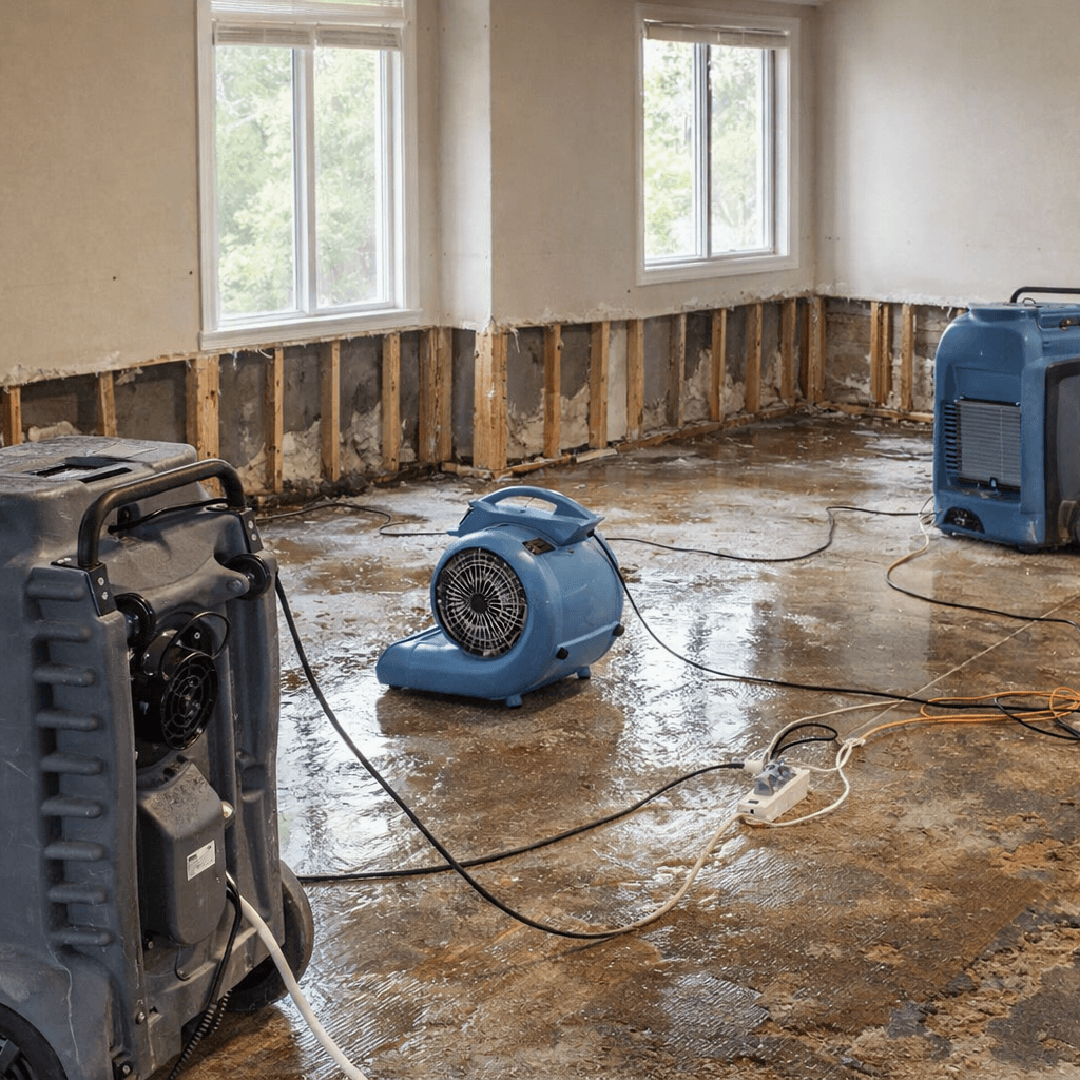
Air movers and dehumidifiers may be used to support structural drying when appropriate. The equipment plan depends on the affected materials, room dimensions, air circulation, humidity, and access conditions.
Follow-up checks help determine whether accessible materials are drying as expected or whether further drying, material removal, investigation, or repair planning should be considered.
Water damage repairs are planned after cleanup and drying reveal the condition of the affected structure. The repair scope depends on the materials involved, whether they can be retained, and whether removal or replacement is needed to restore the space.
Drywall, ceiling panels, insulation, wall cavities, and trim can retain moisture after a water loss. Accessible materials are reviewed to determine whether drying and cleaning are appropriate or whether removal is needed before rebuilding.
Carpet, padding, hardwood, laminate, vinyl, tile assemblies, adhesives, and subfloor materials can all be affected by water. The recommended approach depends on material condition, water category, moisture findings, exposure duration, and whether drying can be completed effectively.
Lower cabinets, baseboards, furniture, shelving, built-ins, stored belongings, and other items near floor level can be affected by water movement. The accessible items within the proposed scope can be reviewed for cleaning, drying, repair, removal, or replacement needs.
Water Damage Restoration Nevada accepts inquiries for water-related property damage at homes, apartments, condominiums, rental properties, retail spaces, offices, hospitality properties, and managed buildings in Sunrise Manor, NV. Contact us about pipe leaks, burst pipes, appliance failures, overflows, roof leaks, water-heater leaks, sewage backups, flood damage, and other water intrusion concerns.
Property owners, tenants, managers, and commercial contacts can provide the property address, reported water source, affected rooms, and any safety or access concerns. This information helps determine the next step for the reported water loss.
For water damage restoration information in nearby Nevada communities, visit our pages for North Las Vegas, Las Vegas, Winchester, Paradise, Whitney, and Enterprise.
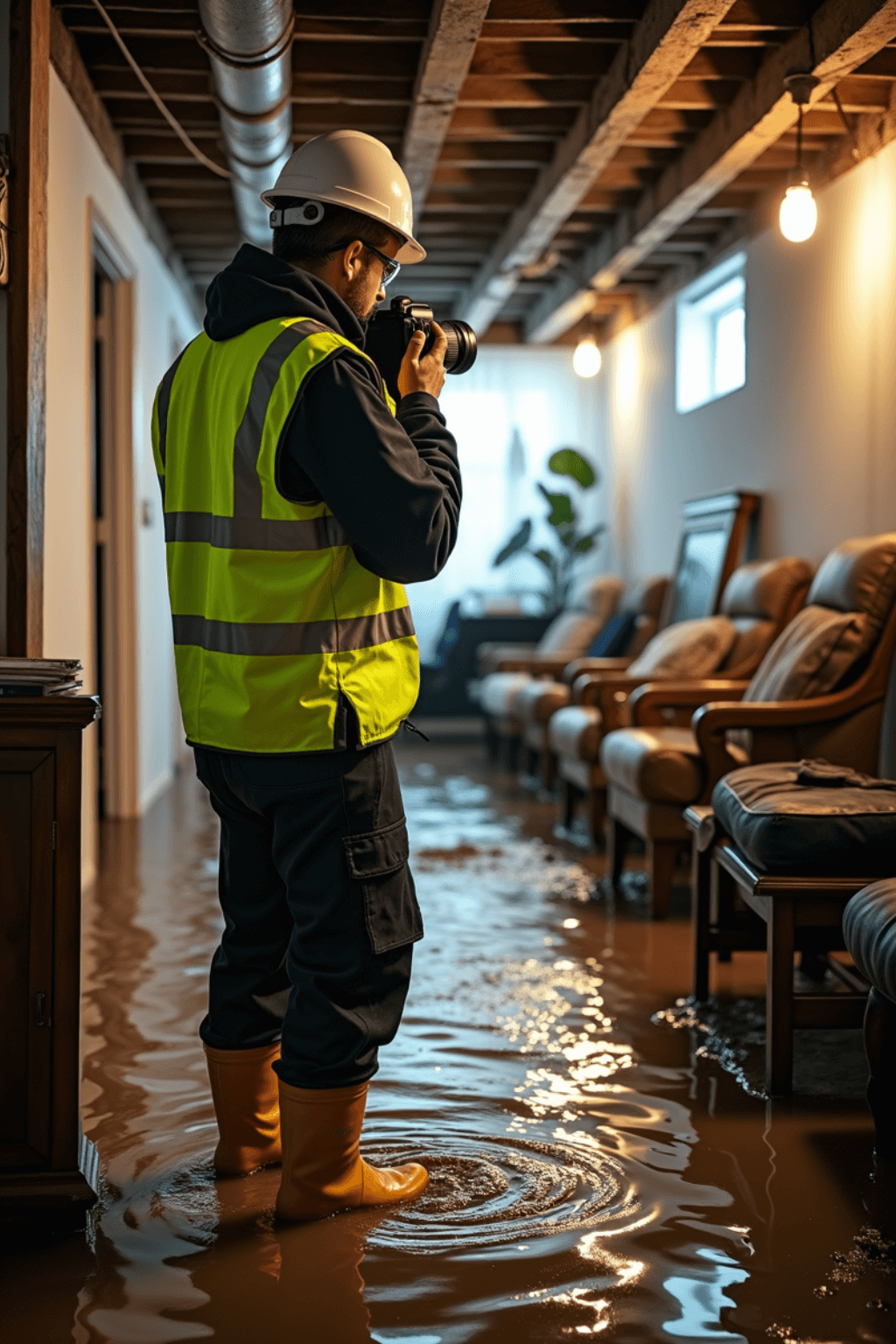
Need Help With Water Damage in Sunrise Manor?
Tell us where the water entered the property, which rooms may be affected, and whether there are access, tenant, management, or safety concerns.
Find answers to common questions about water cleanup, water removal, flood restoration, drying, repair planning, and water damage services in Sunrise Manor.
Water damage should be assessed as soon as it is safe and practical. Tell us whether water is still entering, which areas are affected, and whether electrical or contamination concerns are present. We can discuss current availability and appropriate assessment arrangements.
The cost depends on the affected areas and agreed scope. An estimate may identify extraction, drying, cleaning, material removal, debris handling, and repair work. Contents handling, source corrections, testing, and specialist services may be defined separately where required.
We assess the reported source, accessible affected areas, and moisture conditions. The proposed work may include extraction, structural drying, cleaning, material removal, and repairs. We explain the sequence, included services, and outstanding tasks before the project proceeds.
Whether materials can be retained depends on their type, moisture level, water category, duration of exposure, visible deterioration, contamination concerns, and ability to dry them effectively. Each affected material should be evaluated before a cleanup or repair decision is made.
Ask about documentation available for the agreed project, including photographs, moisture findings, affected-area information, estimates, and work records where applicable. Confirm your insurer’s documentation and coverage requirements directly with the insurer.
We discuss a property-specific work sequence after assessment. Timing accounts for extraction, cleanup, remaining moisture, drying progress, material decisions, access, and repairs. Separately arranged source corrections or specialist tasks may also need to be coordinated.
Stay away from standing water near electrical equipment, contaminated water, and unstable ceilings. If safe, stop the source and move undamaged belongings away from affected areas. Take photos of visible conditions, identify where the water began, and share information about access, occupants, or property-management requirements.