Water Damage Restoration Nevada provides water damage restoration support for homes, apartments, rental properties, offices, retail spaces, managed buildings, and other properties in Whitney, NV. We help property owners assess water-affected areas, address standing water and trapped moisture, and understand the next steps after pipe breaks, plumbing leaks, appliance failures, roof leaks, water-heater problems, overflows, sewage backups, and other water-related incidents.
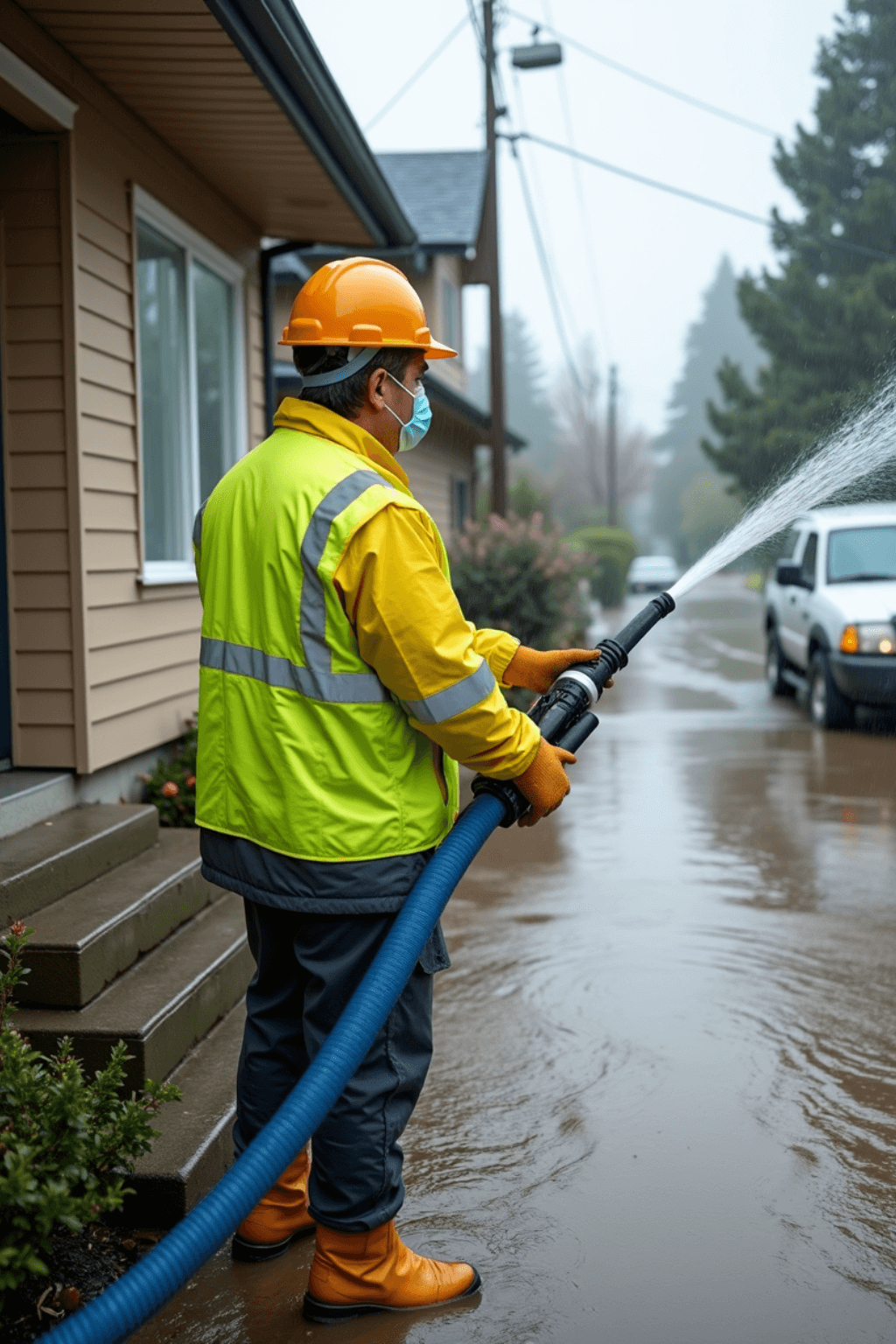
Water can spread well beyond the point where it first enters a property. It may affect flooring, baseboards, drywall, insulation, cabinets, ceilings, stored contents, and adjoining rooms. The initial priority is to identify the likely source, limit further water entry when safe, and review which accessible materials may have absorbed moisture.
Every water-loss situation requires its own cleanup plan. The source of the water, the amount released, the duration of exposure, the affected materials, the path the moisture followed, and any contamination concerns all influence what needs to happen next. A leaking supply line, failed appliance hose, overflowing fixture, roof leak, or drain backup can create very different restoration requirements.
Avoid standing water near outlets, appliances, exposed wiring, or ceilings that appear to be sagging. Keep children and pets away from contaminated water or unsafe areas. If it can be done safely, stop the water source and move dry belongings away from the affected space.
Need water damage help in Whitney?
Discuss water cleanup, water removal, flood restoration, structural drying, and repair planning for your residential or commercial property.
Water damage restoration addresses the conditions left behind after unwanted water affects a building. The scope may include water extraction, moisture inspection, drying equipment, cleaning, removal of unsalvageable materials, debris handling, and identification of repair needs once affected areas are dry and stable.
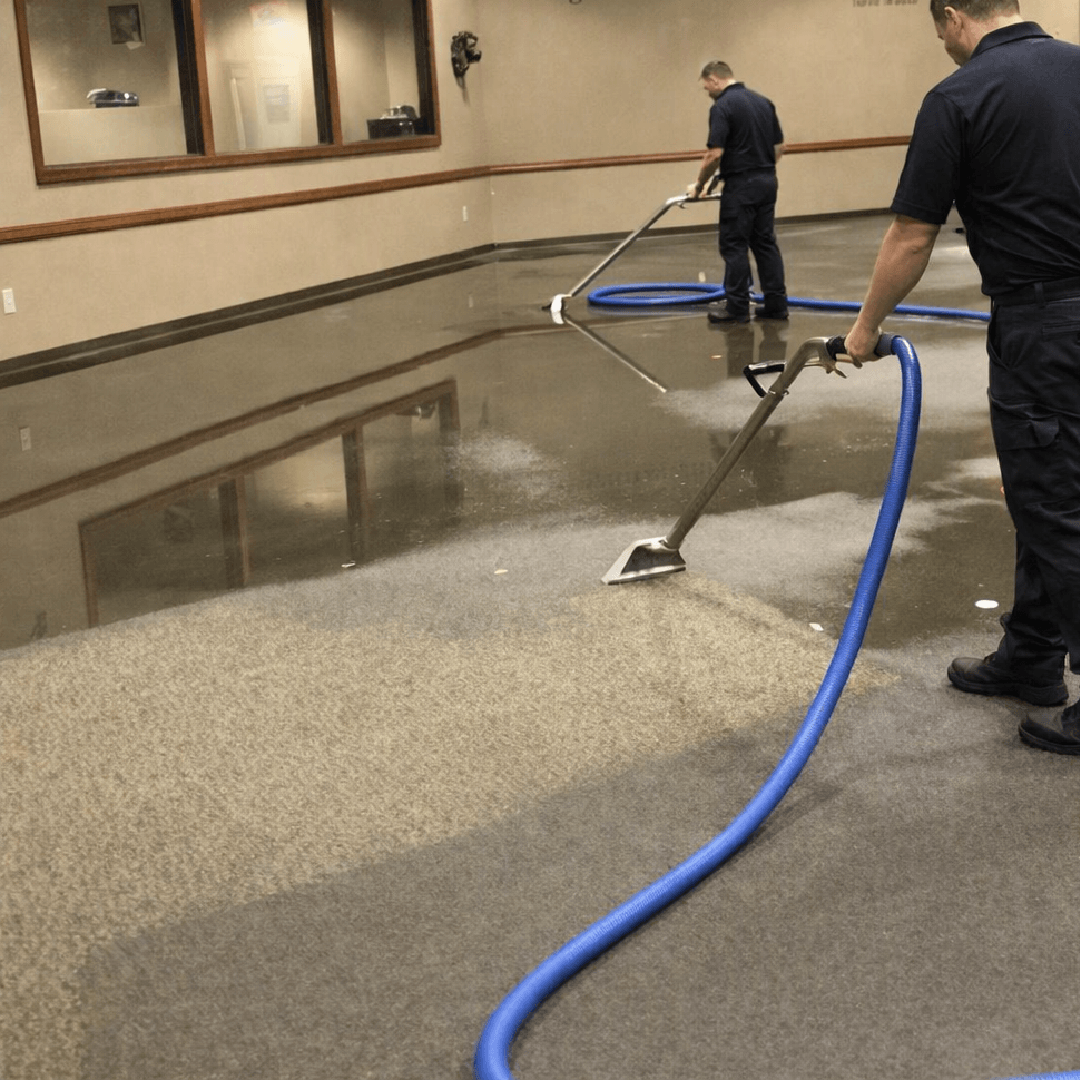
Water extraction focuses on removing standing water from accessible areas. Carpet, padding, drywall, hardwood, laminate, vinyl, cabinets, furnishings, and stored contents may all react differently to moisture. The approach depends on the materials involved, the amount of water present, and how far it has traveled through the structure.
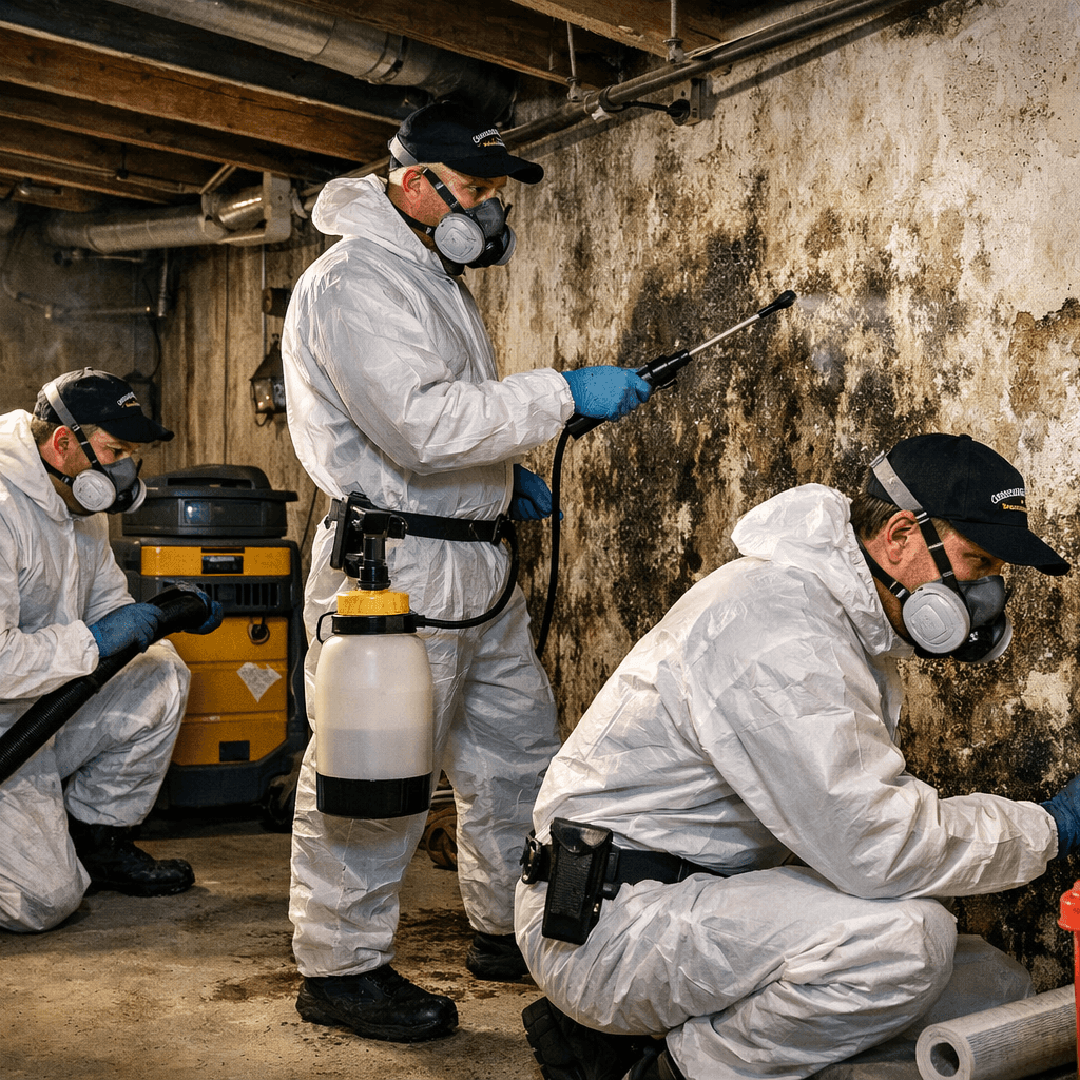
Flood cleanup may be needed after exterior water intrusion, plumbing failures, fixture overflows, roof leaks, drain backups, or other events that affect one or more rooms. The water source, material condition, and extent of the affected area guide the cleanup and drying approach.
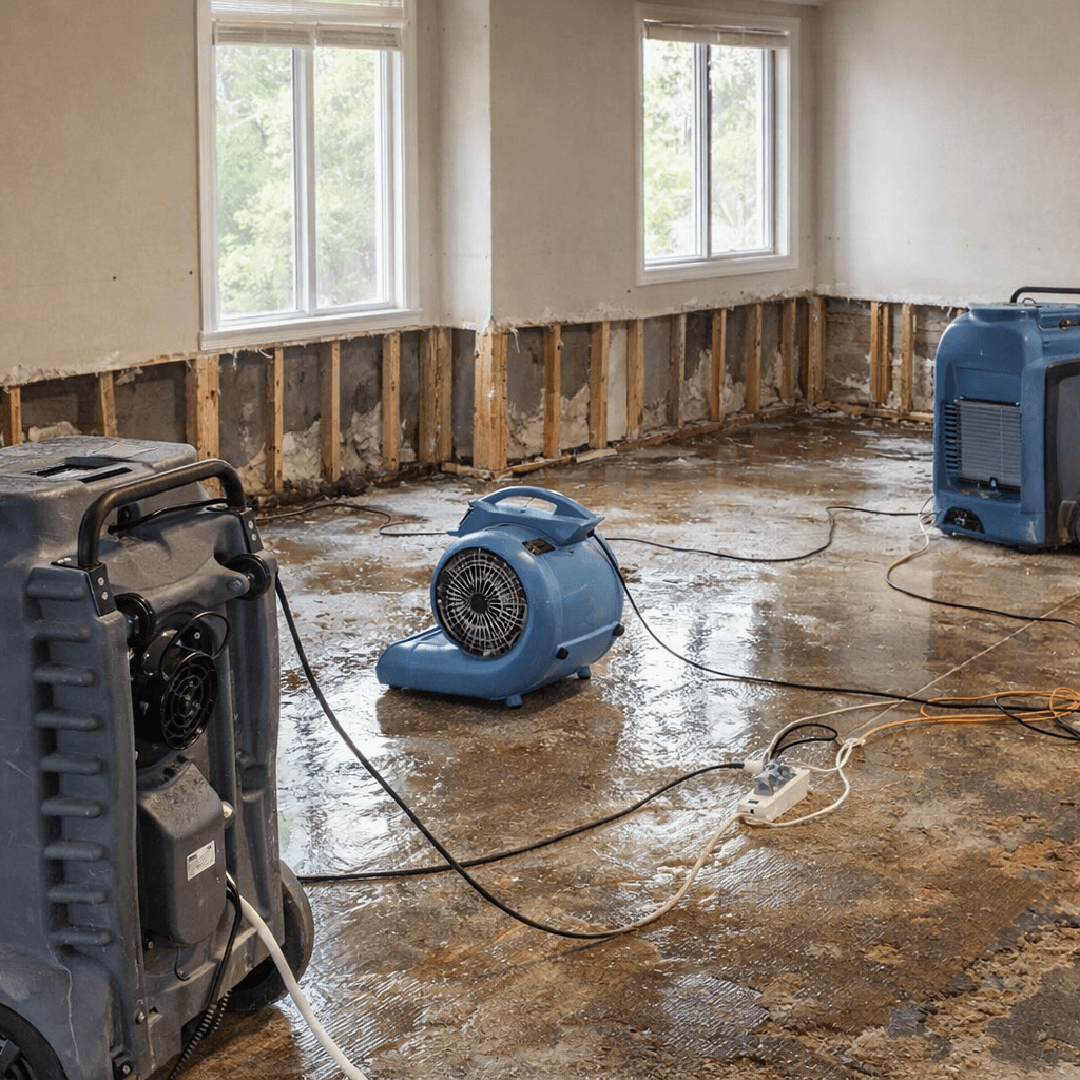
Water mitigation is intended to reduce additional moisture-related damage after visible water and the source of the issue have been addressed. Depending on conditions, this can involve air movement, dehumidification, moisture monitoring, and reviewing accessible building materials for further drying, cleaning, access, or removal needs.
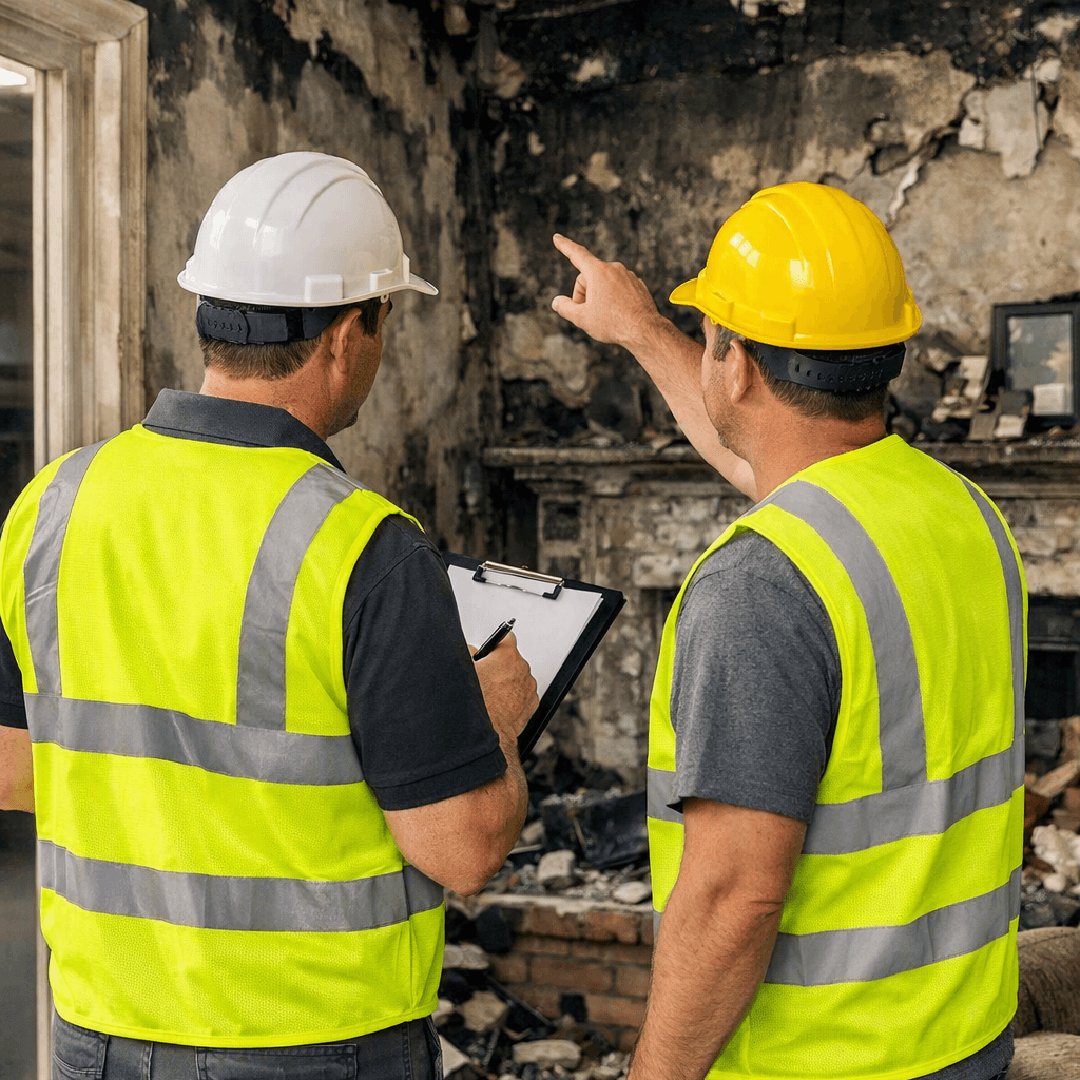
Some water-affected materials can be dried and cleaned, while others may need removal because they are saturated, contaminated, damaged, or unable to dry effectively. Decisions are based on material type, water source, moisture conditions, visible deterioration, and access to the affected area.
After cleanup and drying, repairs may include drywall work, ceiling repair, flooring replacement, trim repair, cabinet work, painting, and rebuilding materials removed during restoration. Plumbing, roofing, electrical, or other source repairs may require the appropriate service professional.
Some water events are immediate and obvious, while others develop over time from slow leaks or hidden moisture. The source, duration, material type, and route the water took through the property help determine the appropriate restoration plan.
Broken pipes, leaking shutoff valves, loose fittings, supply-line failures, and water-heater leaks can affect bathrooms, kitchens, laundry areas, garages, utility rooms, and adjacent spaces. Water may move behind walls, under flooring, or through ceilings before the full extent is visible.
Dishwashers, refrigerators, washing machines, toilets, sinks, tubs, and showers can cause water damage when hoses fail, drains back up, seals leak, or fixtures overflow. What begins in one room can affect nearby flooring, cabinet bases, drywall, trim, and contents.
Damaged roofing, flashing, vents, windows, doors, and other exterior openings can allow water into the property. Ceiling stains, damp insulation, dripping, or wet flooring may be visible, but the water can also travel from the original entry point into nearby walls, ceilings, or rooms.
Sewage backups and other contaminated-water events need additional care. The work may involve removal of affected porous materials, cleaning accessible surfaces, sanitation, drying, debris handling, and repair planning after the impacted areas have been addressed.
Request water damage help
Provide the property address, the likely source of water if known, the rooms affected, and whether water is still entering the property.
The restoration plan is based on the source of the water, the materials affected, moisture conditions, property layout, and available access. A contained leak under a sink may need a different approach than water that has moved through multiple rooms, an apartment, a garage, or a commercial workspace.
STEP 1
During the first call, describe the property type, where the water is visible, the possible source, the rooms involved, and whether the source remains active. Mention sewage concerns, electrical hazards, roof damage, sagging ceilings, tenant occupancy, restricted access, stored equipment, or management requirements that may affect the work.
STEP 2
Accessible rooms and materials are reviewed for standing water, staining, dampness, and signs that moisture has spread beyond the original source. This helps identify areas that may need water removal, drying, cleaning, further review, material removal, or later repair work.
STEP 3
Standing water is addressed according to the surfaces and conditions involved. Drying equipment may then be used to reduce moisture in accessible materials. Equipment placement depends on the room layout, airflow, humidity, material type, moisture findings, and available access.
STEP 4
Once affected materials have been reviewed, the next steps may include cleaning, sanitation where appropriate, selective removal, debris handling, and preparation for repairs. Visible mold or mold-like growth after a water event should be evaluated as part of the moisture-related restoration situation.
STEP 5
Follow-up moisture checks help evaluate whether accessible materials are drying as expected. After the agreed cleanup and drying work is complete, remaining repair, replacement, or source-correction needs can be identified for the owner, tenant, manager, or responsible party.
Water removal addresses standing water, while structural drying addresses the moisture that may remain in walls, ceilings, insulation, trim, cabinetry, flooring, and subflooring after extraction. A room can look dry on the surface while some building materials still contain moisture.
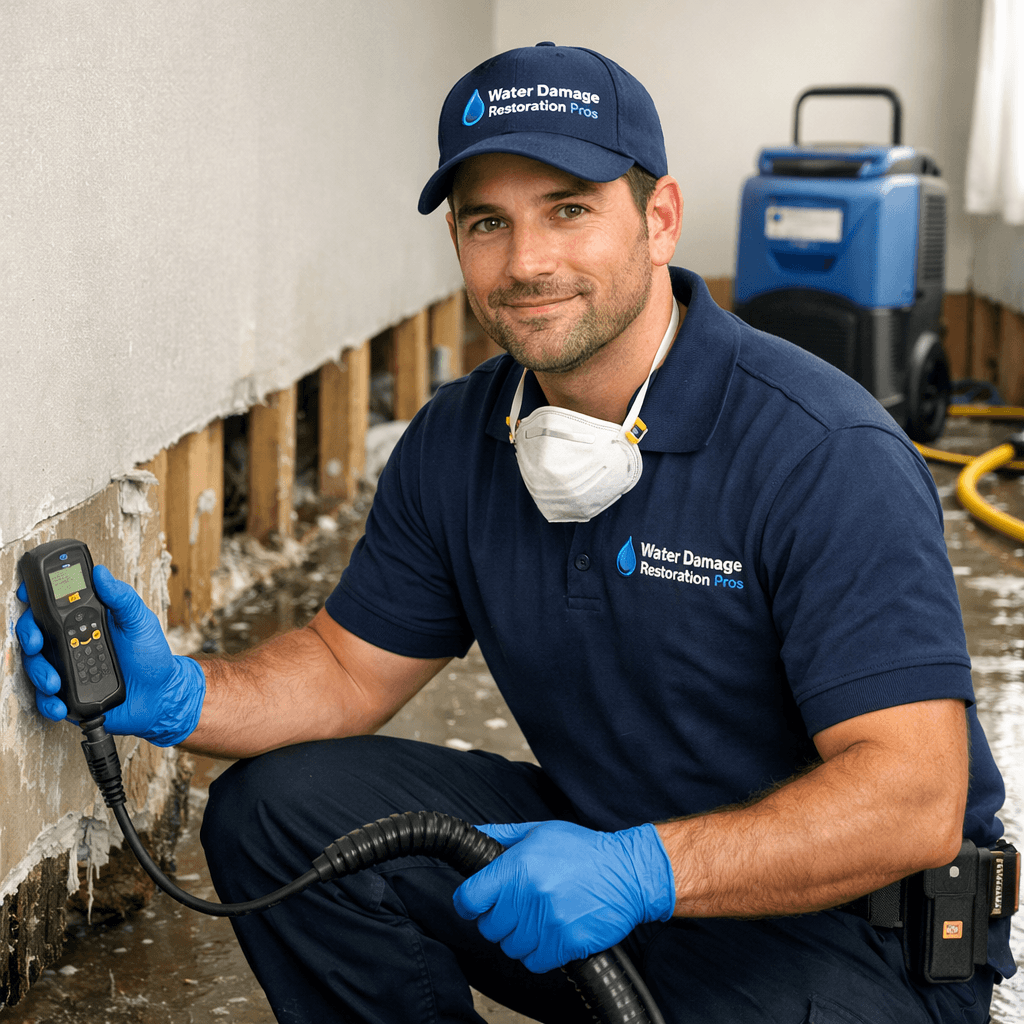
Moisture readings and visual observations help identify accessible materials that may still be wet. The review considers the likely path of the water, the material type, the source of the water, and signs that moisture has moved beyond the most visible affected area.
Air movers and dehumidifiers may be used where appropriate to support drying. The setup depends on humidity, airflow, room size, material conditions, moisture readings, and access to the areas being dried.
Follow-up checks help determine whether drying is progressing as expected or whether additional drying, further access, material removal, or repair planning should be considered.
Cleanup, drying, and repair are related but distinct parts of water damage restoration. Restoration focuses on making the affected area dry, clean, and stable. Repairs involve addressing materials that cannot be retained or restored because of their condition.
Drywall, ceiling materials, insulation, trim, and wall cavities can hold moisture after a water event. Accessible areas are evaluated to determine whether materials can be dried and cleaned or whether portions should be removed before rebuilding.
Carpet, padding, vinyl, laminate, hardwood, tile-related materials, adhesives, and subflooring can all be affected by water. The recommended approach depends on material condition, the water source, exposure time, moisture findings, and whether the flooring system can dry effectively.
Cabinet bases, shelving, baseboards, furniture, built-ins, equipment, tools, stored belongings, and other low-level materials can be affected as water moves through a property. Accessible items can be reviewed for cleaning, drying, repair, removal, or replacement needs.
Whitney properties may include homes, apartments, rental units, managed residences, offices, retail locations, workshops, storage areas, and other commercial spaces. Tenant schedules, building access, property-management procedures, stored inventory, and detached structures can affect how restoration work is planned.
Property owners, tenants, managers, and commercial contacts can share the property address, the likely source of water, affected rooms or work areas, and any access or safety concerns. This information helps clarify the next step for the reported water damage.
Water Damage Restoration Nevada accepts inquiries for water-related property damage at homes, apartments, rental properties, offices, retail spaces, storage areas, workshops, and managed properties in Whitney, NV. Contact us about burst pipes, plumbing leaks, appliance failures, roof leaks, fixture overflows, sewage backups, water intrusion, flood damage, and related property concerns.
For water damage restoration information in nearby Nevada communities, visit our pages for Henderson, Las Vegas, Sunrise Manor, Paradise, Enterprise, and Spring Valley.
Need Help With Water Damage in Whitney?
Tell us where the water entered the property, which areas may be affected, and whether there are access, tenant, management, detached-building, equipment, or safety concerns.
Find answers to common questions about water removal, cleanup, mitigation, structural drying, flood restoration, and repair planning in Whitney.
Water damage should be assessed as soon as it is safe and practical. Tell us whether water is still entering, which areas are affected, and whether electrical or contamination concerns are present. We can discuss current availability and appropriate assessment arrangements.
The scope depends on the water source, affected areas, material types, moisture conditions, access, extraction needs, cleaning requirements, drying work, debris handling, and repairs. Contents handling, source corrections, testing, and specialist services may be separate from the restoration scope.
Water mitigation refers to actions intended to limit further moisture-related damage after a water event. It may include water removal, drying setup, moisture monitoring, cleaning accessible surfaces, stabilizing affected materials, and identifying materials that need further attention.
Whether a material can be retained depends on its type, moisture level, water category, duration of exposure, visible deterioration, contamination concerns, and whether the material can be accessed and dried effectively.
Water damage restoration may be planned for rental homes, apartments, managed residences, offices, retail spaces, workshops, agricultural properties, and other building types. The work may require coordination with tenants, owners, managers, maintenance personnel, occupants, or other parties connected to the property.
Drying time depends on the materials affected, amount of water, temperature, humidity, airflow, moisture levels, access, and how water traveled through the property. Follow-up checks help determine whether drying is progressing or whether further steps should be considered.
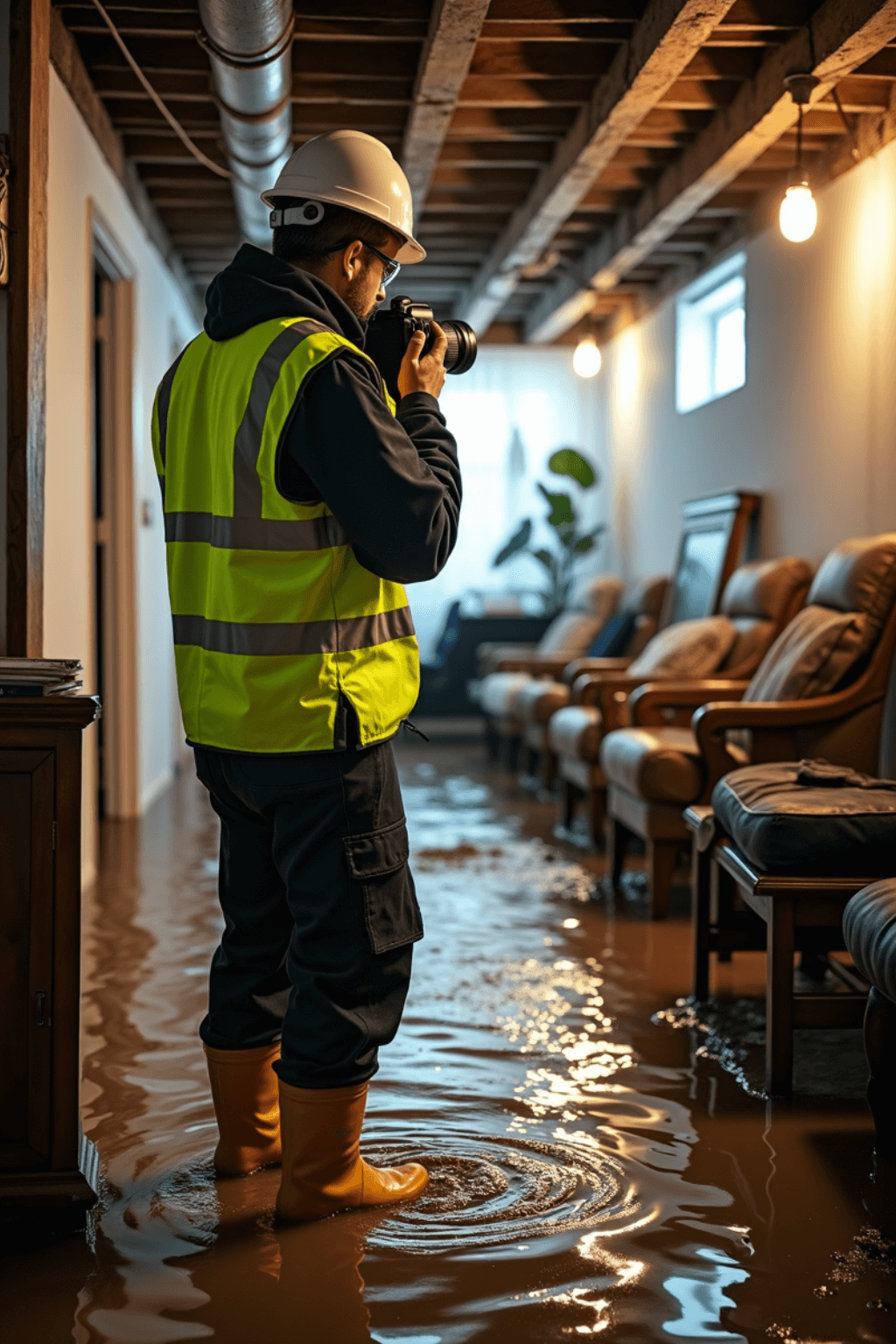
Stay away from standing water near electrical equipment, contaminated water, and unstable ceilings. If safe, stop the water source and move undamaged belongings away from affected areas. Take photos of visible conditions, note where water began, and share information about access, occupants, business operations, or property-management requirements.